The Backyard Quietly Became Something You Can Rent by the Hour
A swimming pool is a strange thing to own. It costs a great deal to install, it costs money every month whether anybody swims in it or not, and in most of the country it is genuinely enjoyable for about eleven weekends a year.
Which is roughly how many weekends you would actually want one.
That gap has quietly turned into a market. Across a few hundred cities, people are now booking somebody else’s backyard for three hours on a Saturday, swimming, and going home, without ever owning a filter pump or thinking about winterising anything.
It stopped being only about pools
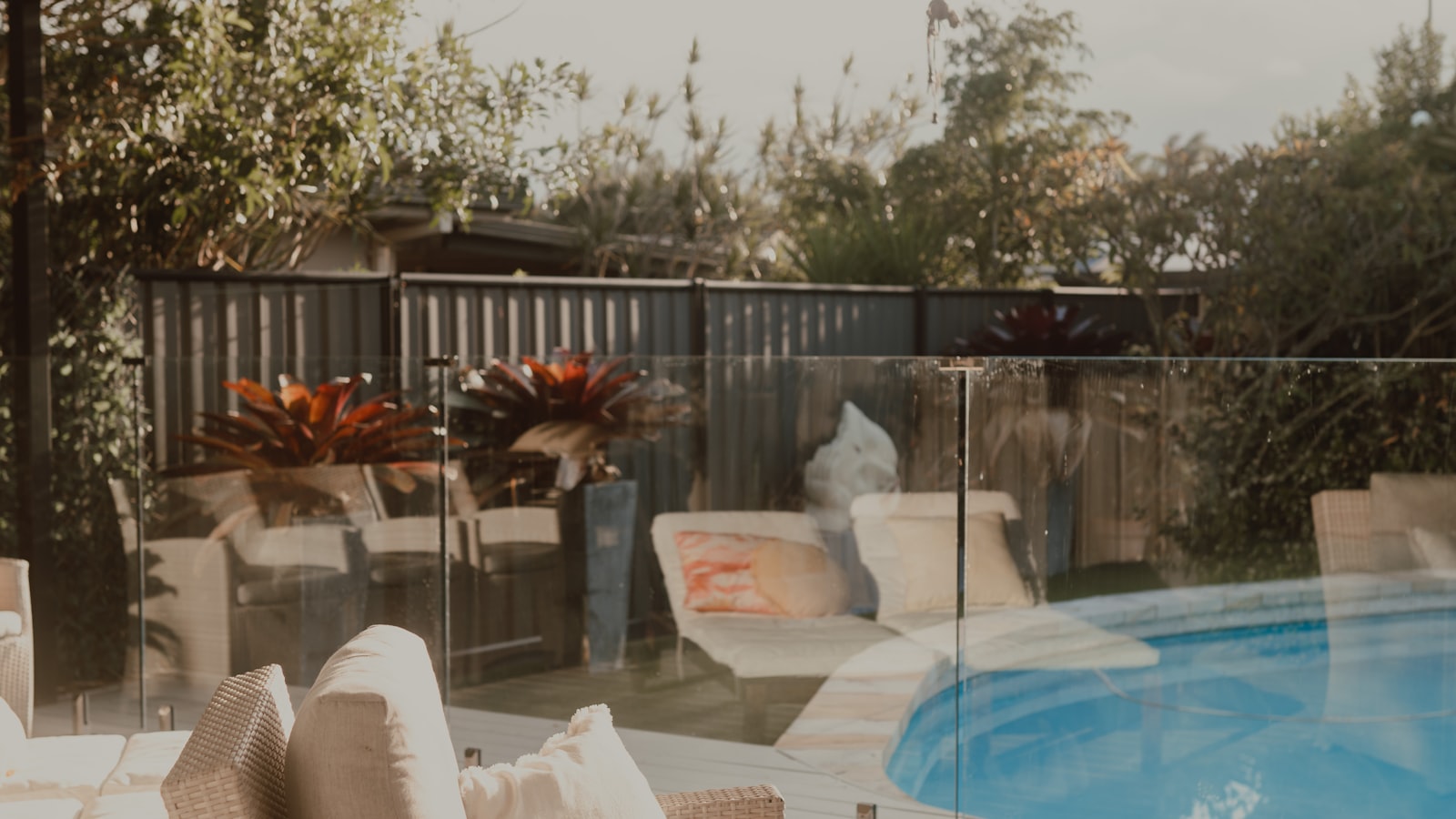
Swimply is the best-known platform doing this, and the interesting part is how far the category has stretched since it started with swimming pools.
Listings now include hot tubs, private tennis, pickleball and basketball courts, backyards rented as event space, whole homes, and pet-friendly pools and private pet parks for people whose dog is the one who needs a swim. The company says it operates across more than 150 cities in the US, Canada and Australia.
Once you notice the pattern it is hard to unsee. Every underused private amenity in a residential neighbourhood is a potential hourly rental, and the pool was simply the most obvious one to start with.
For guests the appeal is not really about swimming. It is about having a private space for an afternoon, which is a surprisingly hard thing to buy otherwise. Public pools are crowded and rule-bound. Hotel day passes are expensive and rarely private. A backyard you have to yourself for three hours occupies a gap nothing else was filling.
🏊 See what is listed near you this weekend
How a booking actually works
You pick a date and a time window and request it. Some listings carry Instant Book and confirm immediately; others go to the host for approval, which Swimply says happens within 24 hours. You are charged when the booking is confirmed rather than when you request it.
Hourly rates vary by property and city. Swimply states that pricing starts around $25 an hour with most pools falling between $30 and $60, though that is the company’s own figure and the only number that matters is the one on the listing you are looking at.
Capacity is set per listing and ranges widely, from small groups up to a hundred people at the larger event spaces. Host presence varies too: some stay on the property, some hand over a self-serve experience and leave you to it. Both arrangements are normal, and which one you are getting is worth knowing before you arrive with eight people and a cool box.
There is a weather policy allowing refunds or rescheduling when conditions turn, which matters more than it sounds for something booked weeks ahead and entirely outdoors.
The five percent worth checking
Swimply says 95% of its properties offer restroom access. That is a reassuring figure presented as a strength, and it is also the single most useful sentence on the site, because it means one listing in twenty does not.
Read it as a checklist prompt rather than a statistic. Before booking, confirm the bathroom situation, whether there is shade, whether you can bring food, whether music is allowed, what the parking is, and whether the host will be there. Those details are set individually by each host, and a listing that suits a quiet afternoon with two people is not automatically the right one for a birthday party with fifteen.
☀️ Check the house rules before you book, not after
The part nobody reads, and should

Swimply operates a Protection Guarantee covering both hosts and guests. On the published terms it provides up to $1,000,000 of bodily injury cover in the US and Canada, and up to $10,000 for property damage where a guest will not pay, subject to a deductible of $250 for bookings of ten guests or fewer and $500 above that. Claims must be reported within 72 hours with supporting evidence.
Two things about that are worth reading carefully.
It is secondary cover, not primary. Swimply requires hosts to hold a valid homeowners or liability policy as a condition of eligibility. The guarantee sits behind that rather than replacing it.
The exclusions include alcohol and drugs. Injuries involving either are excluded, as are intentional acts, host negligence, sports injuries unrelated to a property hazard, pre-existing damage, and ticketed or public-admission events.
That second one deserves a moment, because the mental image most people have of renting a pool for an afternoon involves a cooler. This is not a reason to avoid the platform. It is a reason to understand that the safety net is narrower than the headline number suggests, to be the responsible adult at your own booking, and not to treat a stranger’s backyard as a venue with a bar.
Who this genuinely suits
Families with small children, for whom two hours in a private pool with no other swimmers is worth considerably more than a day at a crowded public one.
Anyone marking an occasion who does not want to hire a venue. A birthday, a small gathering, an anniversary afternoon. The cost of a few hours in a backyard compares well against almost any hired room, and the setting does more work.
People who want the thing occasionally and have done the ownership maths. A handful of bookings a summer is a rounding error next to installing and maintaining a pool, and you are never the one skimming leaves in October.
Dog owners, oddly. Pet-friendly pools and private pet parks are a real category here, and if you have ever tried to find somewhere a large dog can swim legally, you will understand why it exists.
Who should skip it
Anyone planning something loud. You are in a residential garden with neighbours who did not book anything, and every listing sets its own rules on noise and numbers. If the plan is a party with volume, hire a venue built for it.
Anyone who needs certainty. This is a marketplace of individual properties, so quality, cleanliness and host communication vary in a way a hotel pool does not. Reviews are the best available signal and they are worth reading properly rather than glancing at the star rating.
Anyone outside the covered cities. The network is concentrated, and in much of the country the nearest listing will be a long drive. Check before you build an afternoon around it.
And anyone hoping to swim in February. This is a seasonal, weather-dependent, outdoor product in most places, which is exactly why renting one by the hour makes more sense than owning one at all.
🐕 Find a pool that takes dogs, or a court, or a hot tub
If you are on the other side of it
If you already have the pool, the same platform is where the income side lives, and the conditions above are yours to meet rather than to check: your own liability policy in place, your house rules written clearly, and a realistic view of how you will feel about strangers in the garden on a Sunday.
Which is the honest summary of the whole idea. Somebody has to own the pool for anybody to rent one. The change is simply that it no longer has to be you.