How to Choose the Right Rug Size and Material for Every Room
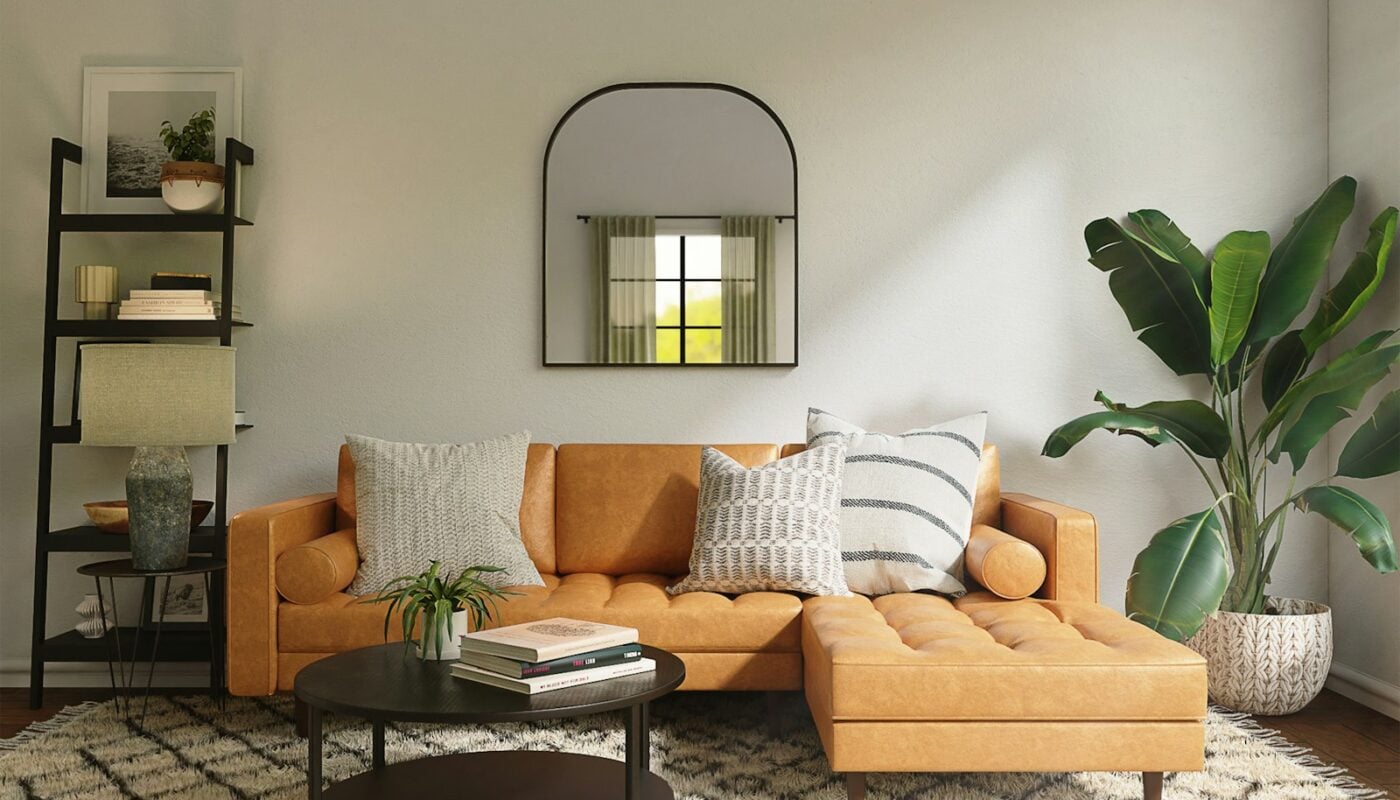
Most rooms that feel slightly off share the same quiet problem: the rug is too small. It floats in the middle of the floor like a bath mat, the sofa hovers at its edge, and the whole space reads a size smaller than it is.
The fix is mostly arithmetic, plus one good decision about fiber. Rugs USA, the online rug retailer, publishes a surprising amount of practical guidance on both, and its catalog is organized so the right choice is easy to act on once you know your numbers. Here’s how to put that advice to work, room by room.
Start with the tape measure, not the pattern
Patterns are the fun part, so they tend to get picked first. Hold off for ten minutes. Rugs USA’s help center recommends starting your measurements 12 to 18 inches away from the wall in most rooms, which keeps a frame of floor visible around the rug and stops the space from looking crowded. Halls, entries and kitchens are the exceptions, since rugs there follow the shape of the space instead.
Mark that outline on the floor with painter’s tape and live with it for a day. It’s the cheapest preview you’ll ever get.
Once you have a number, the retailer’s size shop sorts its rugs into four bands: small rugs from 2×3 to 4×6, medium from 5×7 to 6×9, large from 8×10 to 9×12, and oversize at 10×14 and up. Most main living spaces land in the large band. If your room falls awkwardly between standard sizes, Rugs USA also makes custom rugs sized to the inch, up to 12 feet wide and 27 feet long, according to its help center.
Living and dining rooms need more rug than you’d think
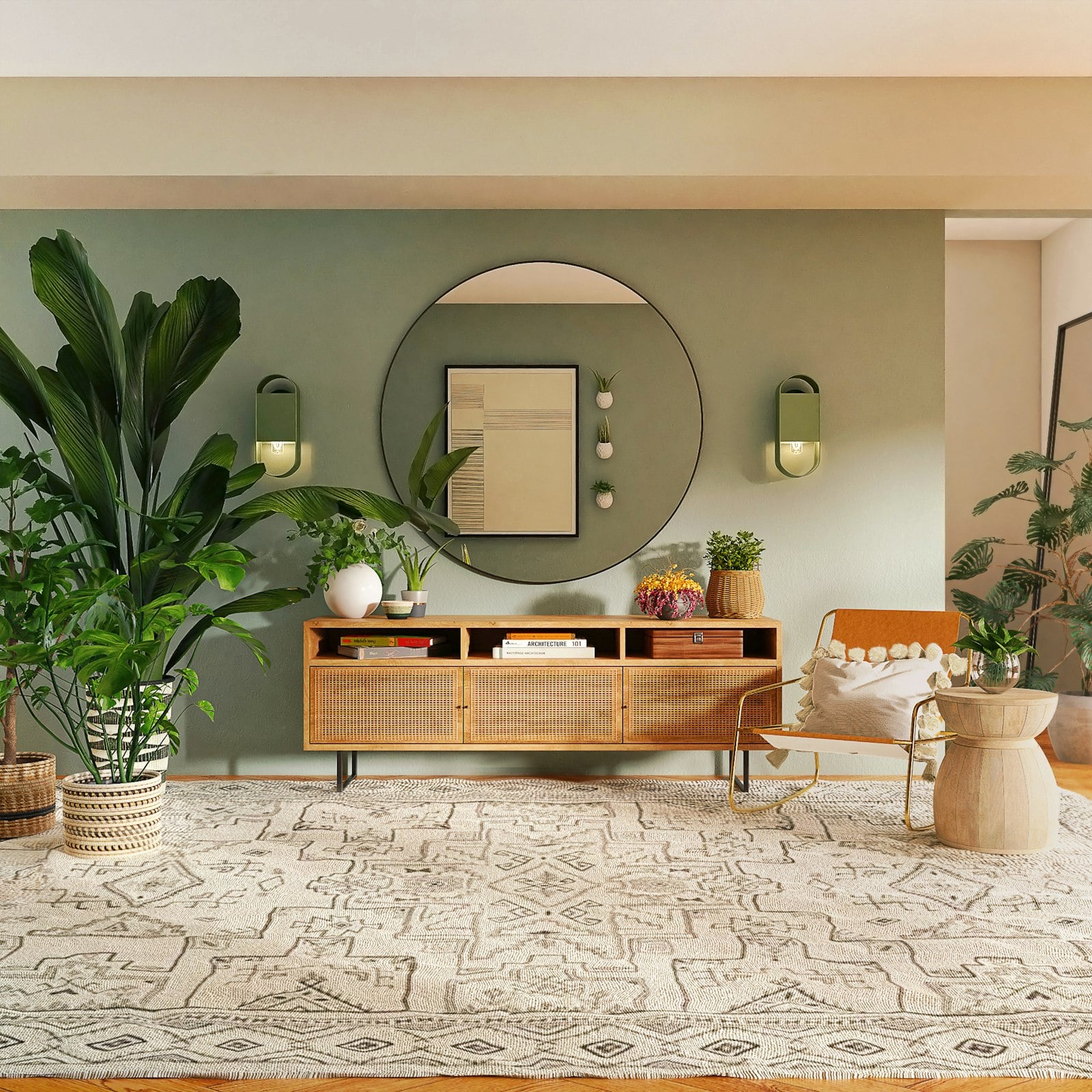
Rugs USA suggests a rug between 8×10 and 9×12 for most living rooms, and its rule of thumb is that the rug should extend at least six to eight inches past the sofa on each side. That extra width is what makes the seating look anchored rather than perched.
If you’d like every piece of furniture sitting fully on the rug, the retailer recommends leaving around eight inches between the furniture and the rug’s edge. It also suggests 30 to 36 inches of walkway between the larger pieces where the room allows, and at least 18 to 24 inches in a smaller living room. Those figures sound fussy until you try squeezing past a coffee table without them.
The dining room is where an undersized rug causes real annoyance, because chair legs catch the edge every time someone stands up. Rugs USA’s two-foot rule solves it: choose a rug that extends at least two feet beyond the chairs when they’re pushed in. On one of its product pages, the retailer puts the practical minimum for a full dining set at 8×10.
Measure with the table at its largest, so if yours takes a leaf, include it. And don’t feel locked into one shape. Rectangular tables generally pair with rectangular rugs, but Rugs USA notes that square and round tables can work with either.
Bedrooms, hallways and how thick the rug should be
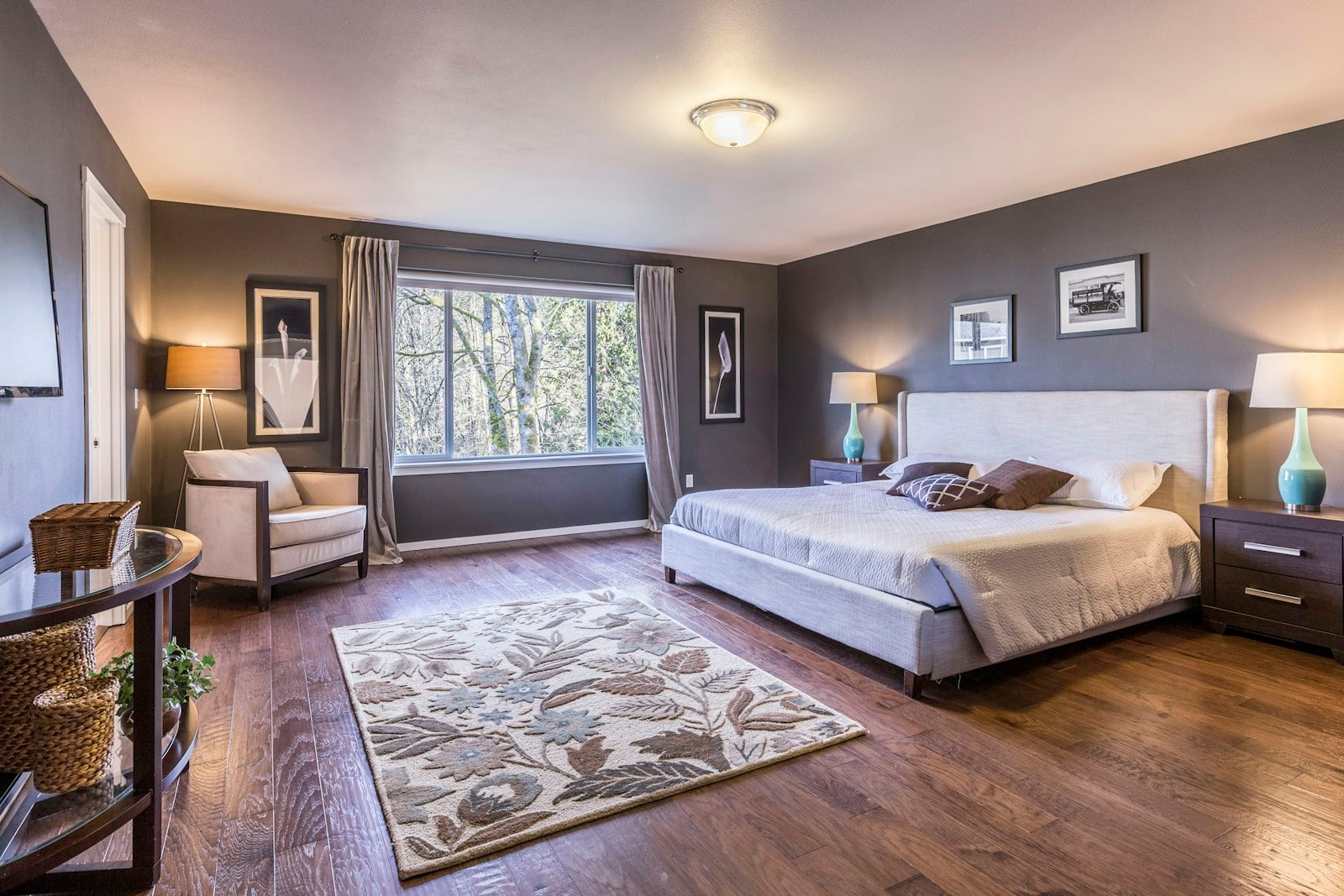
In a bedroom, the goal is a soft landing on both sides of the bed first thing in the morning, so comfort counts for more here than anywhere else in the house. Rugs USA’s pile height guide makes the point directly: a plush, high-pile rug can feel luxurious underfoot in a bedroom, while low pile is often the better call for busy hallways and dining areas. The retailer’s guide classes low pile as roughly a quarter inch or less, and some of its high-pile rugs measure well over an inch.
Hallways follow their own logic. Rugs USA suggests leaving about six inches between a runner and the walls on all sides, and choosing the longest runner the space allows, because a long runner visually stretches the hall.
A short runner in a long hall does the opposite.
Choosing a material that suits the room
Size gets the rug to look right. Fiber decides how it lives. Rugs USA’s materials guide breaks the main options down this way.
Wool. The guide describes wool as durable and moisture-resistant, and suggests it for bedrooms and family rooms. It can be spot-cleaned with mild detergent and warm water, which makes it a comfortable long-term choice for a main room.
Jute, sisal and seagrass. These natural fibers bring warm, earthy texture. Rugs USA says sisal and seagrass both suit high-traffic areas and calls seagrass a standout at resisting stains. Jute loves a dry room, and the guide recommends keeping it out of damp spaces such as basements.
Polypropylene. This synthetic resists stains and fading and cleans up easily, according to the guide, which recommends it for heavy traffic, homes with pets and outdoor spaces.
Cotton. Light and breathable, cotton works well as a flatweave in doorways, and some cotton rugs are machine washable. On wood floors, Rugs USA recommends adding a rug pad.
Washable rugs earn a spot on the shortlist
For kitchens, entryways and any home with kids or pets, a rug you can put in the washing machine is a very easy win. Rugs USA carries hundreds of machine-washable designs, with dedicated collections for washable wool, washable shag and its Cloud Soft range.
Its spill-proof line goes a step further. The listing for the Timeless Charm Spill Proof Washable Rug describes a spill- and stain-resistant polyester and recommends it for busy rooms and homes with kids and pets. Each washable listing also states a minimum washing machine capacity, so check that figure against your own washer before you choose a size.
Where Rugs USA makes the whole job easier
Good rug advice only helps if the store lets you act on it, and this is where Rugs USA shines. You can shop by size band, by room (its dining room collection is a useful shortcut), by pile height and by washability, so the measurements you just took turn straight into a short, relevant list instead of an endless scroll.
The retailer says shipping is free on orders within the contiguous U.S., and it advertises a 30-day return policy, which takes much of the worry out of buying a large rug online. Add custom sizing for the rooms that don’t fit a standard rectangle, and you have a practical way to get the one piece of furniture that pulls a room together exactly right. Measure first, pick the fiber for the room, then enjoy the fun part: choosing the pattern.