Buying a Robot Vacuum? Choose the Dock Before the Robot
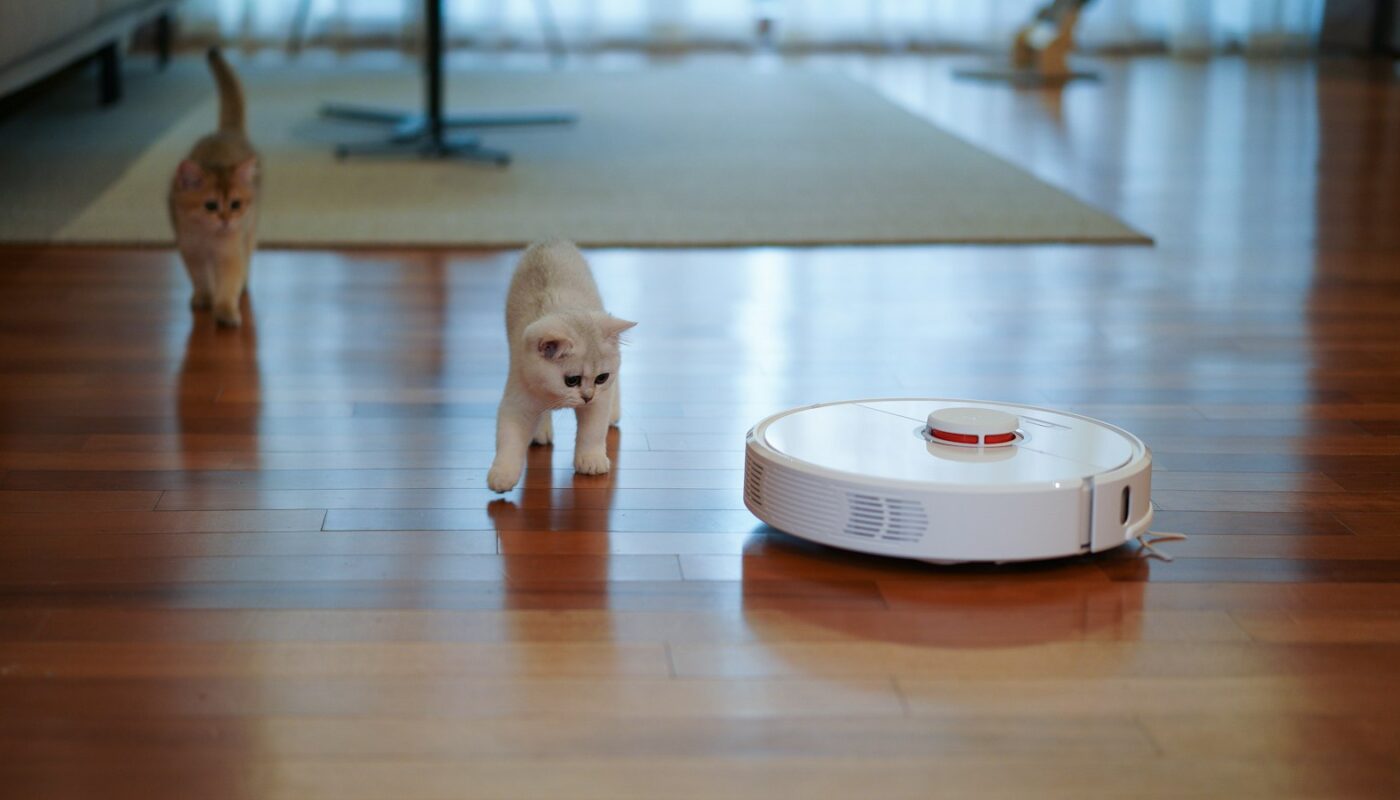
Robot vacuum spec sheets are a numbers contest. Suction measured in pascals, battery minutes, map layers, app features. Most of that matters far less day to day than one thing buyers tend to skip past: the dock. The dock decides how often you actually have to touch the machine, and that is the whole reason for owning a robot in the first place.
Eureka is a useful brand to think this through with, because its current robot range is built around exactly that question.
An old vacuum name with a new focus
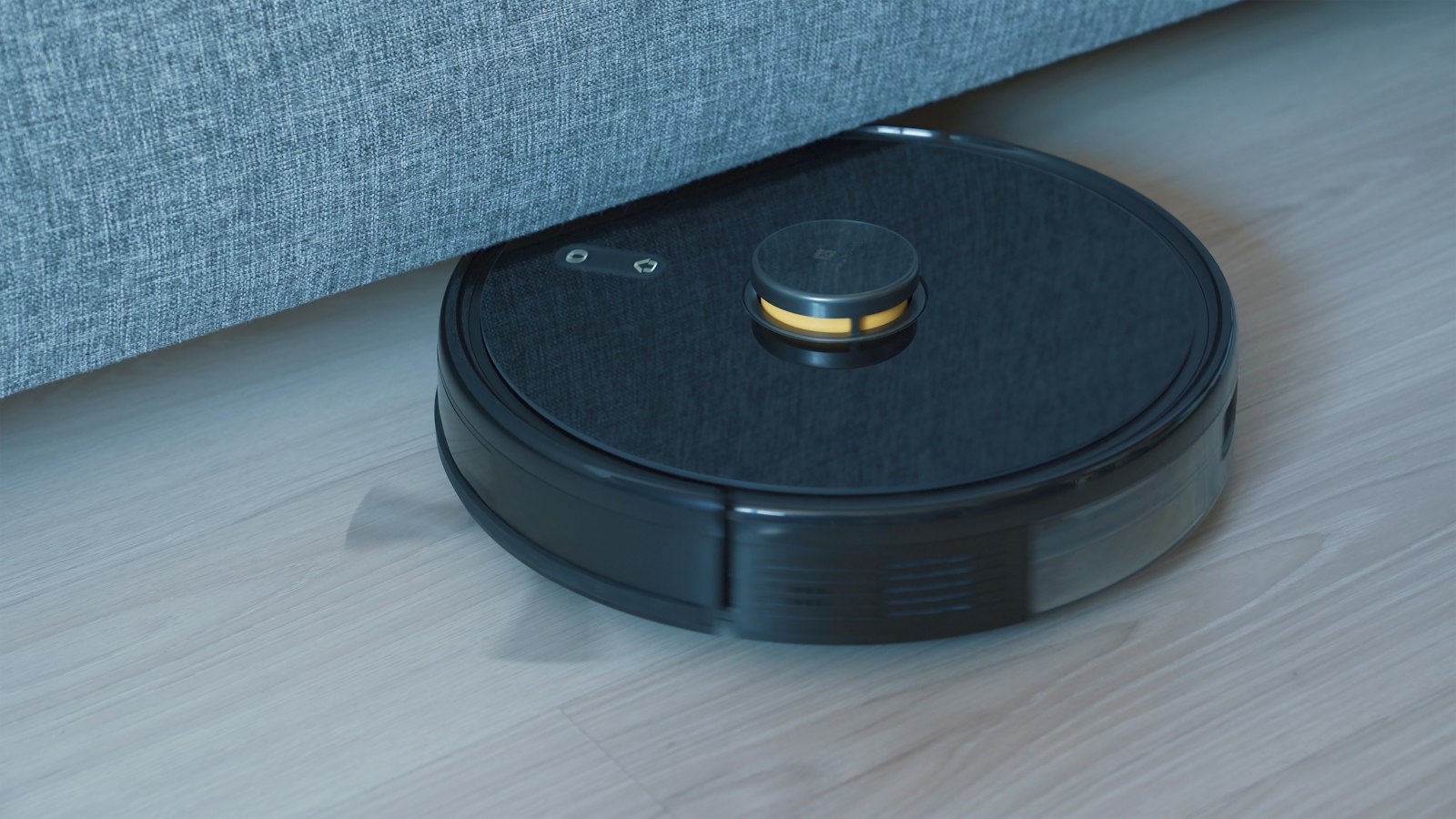
Eureka was founded in Detroit in 1909 and spent most of the last century making upright and canister vacuums for American homes. It was bought by Electrolux in 1974 and by Midea Group, one of the world’s largest appliance makers, in 2016. Today it still sells uprights and cordless stick vacuums, but much of its attention has moved to robot vacuums and mops.
Choose the dock before the robot
Almost every robot vacuum now cleans reasonably well. What separates them in daily life is what happens when the robot comes home:
- Self-emptying. The dock pulls dust out of the robot into a larger bag or bin, so you empty it every few weeks instead of after every run. Eureka’s J15 range uses bagged stations; the bags are an ongoing cost but keep dust sealed away, which people with allergies often prefer.
- Mop washing and drying. If the robot also mops, a dock that washes the pads with hot water and dries them stops the damp, sour smell that plagues cheaper mopping robots. Eureka’s higher J15 models do this automatically.
- Water tanks. Clean and dirty water tanks in the dock mean filling and emptying once every so often rather than daily.

The features that actually matter in a real home
- Hair handling. Long hair and pet fur wrapping around the brush roll is the most common robot vacuum annoyance. Eureka’s J15 models use a cutting system designed to slice hair off the roller as it spins.
- Obstacle avoidance. A camera-based system helps the robot steer around cables, socks and pet accidents. Eureka offers it on its top J15 model, while cheaper versions skip the camera. If your floors are usually clear, you may not need to pay for it.
- Mapping and no-go zones. Being able to block off a play area or a rug with tassels in the app matters more than raw suction for most homes.
When a robot vacuum is the wrong buy

- Lots of clutter on the floor. Robots need a reasonably clear floor. If toys, cables and shoes live there, expect to tidy before every run.
- Deep carpet or many stairs. Robots do not climb stairs, and very thick carpet challenges most of them. A good cordless stick vacuum may serve you better.
- Tight budgets. Fully automatic docks add a lot to the price. A basic robot without a self-emptying station, or a manual stick vacuum, costs far less and still does the job if you do not mind emptying it.
If you have mostly hard floors, a pet or two and little patience for chores, a robot with a capable dock is one of the rare gadgets that really gives time back. Pick the dock features you will use, skip the ones you will not, and the rest of the spec sheet matters much less.