Renting Out Your Pool: The Insurance Gap Most Hosts Miss
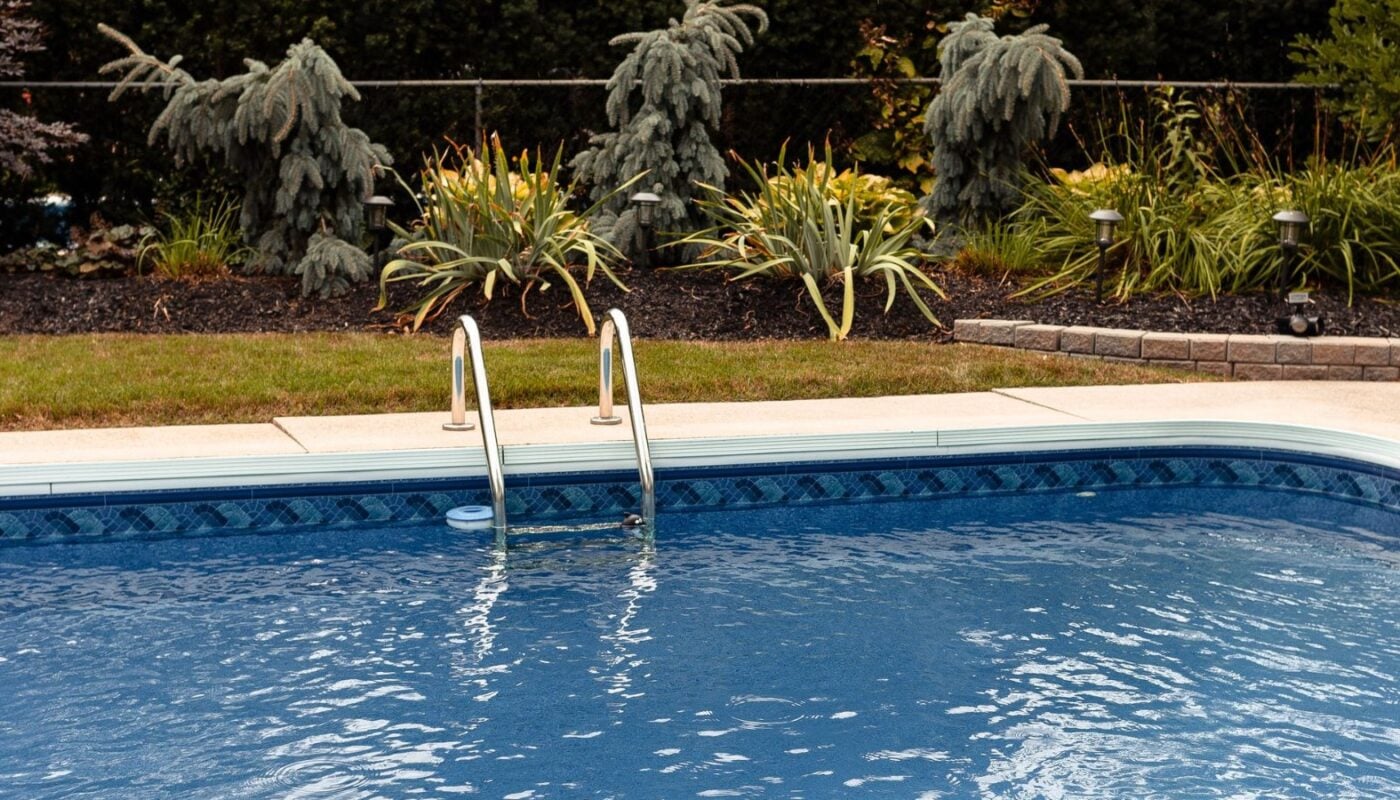
The pitch is straightforward enough. You have a pool that sits unused most of the week. Somebody nearby wants to swim. An app introduces you, takes a cut, and money appears.
The part that catches hosts out is not the booking process. It is what happens if somebody gets hurt.
The insurance gap nobody reads about first
Swimply provides a protection guarantee — up to $1 million in liability coverage and $10,000 for property damage, at no additional cost to hosts. That sounds like the question is settled.
It is not, because the coverage is secondary. It applies only after your own homeowners or liability policy has responded to a claim. And hosts are required to maintain a valid policy to be eligible for the guarantee at all.
Here is where the two halves fail to meet. Standard homeowners policies generally limit or exclude business activity, and renting your pool for money is business activity even when it is occasional. Many hosts assume their existing policy covers them; it often does not.
So the sequence a host needs to verify runs: does my policy cover paid rentals, and if not, what will? Not: does the platform cover me. The platform’s cover sits behind yours, and if yours is not there, the arrangement has a hole in it.
The practical step is a call to your insurer describing exactly what you intend to do, before your first booking.
What the guarantee excludes
The exclusions are specific and worth knowing.
Alcohol and drug-related incidents are not covered. If your listing permits alcohol, you are accepting that risk personally.
Trampolines and bounce houses are excluded. Guests sometimes bring them.
Open water such as lakes and ponds sits outside the cover.
Deductibles apply — around $250 for bookings up to ten guests, higher for larger groups. Claims need submitting within 72 hours, with photographs or video, so documenting the pool area before and after a booking is not paranoia. It is the evidence.
The controls hosts actually have
Two features matter more than the rest.
Request-based booking lets you approve each reservation rather than accepting instant bookings. Slower, but you see who is coming and why.
Guest verification means every guest confirms their identity before booking, and guests sign waivers acknowledging the risks of using a private pool.
Beyond that, house rules do real work. Guest caps, no-alcohol policies and equipment restrictions are all enforceable, and they narrow exactly the categories the guarantee excludes.
For guests: the availability problem
The experience is genuinely good where the platform has density — private pool, by the hour, no membership, and the whole place to yourself rather than a crowded public lido.
The problem is geography. In cities with many listings you have real choice. In much of the country there may be nothing within a sensible drive, and no amount of enthusiasm for the concept changes that.
Check your area before planning anything around it.
Who should not do this
Hosts whose insurer will not extend cover to paid rentals, unless they are prepared to buy a separate policy.
Anyone in a strict HOA or with restrictive local rules. Some jurisdictions treat this as a commercial use, with permits attached.
People who cannot supervise access. A pool with unsupervised strangers around it is a risk profile, not a side income.
Guests who need certainty. If the nearest listing is an hour away, the concept is better than the reality.
If you are going to host
Call your insurer first. Describe paid hourly rentals specifically.
Photograph everything before and after each booking.
Start with request-based booking and switch to instant only once you know what you are doing.
Write house rules that mirror the exclusions — no alcohol, no inflatables you have not approved, a firm guest cap.
Check local rules on commercial use, permits and noise before you list.
The short version
Renting a pool by the hour is a reasonable way to earn from an asset that otherwise costs you money. The platform handles introductions, payments and a layer of protection competently.
But that protection sits behind your own insurance, not in front of it. Sort that out first and the rest is administration.