How to Get Something Useful Out of a Body Composition Scale
You step on the glass, wait four seconds, and your phone fills up with numbers. Body fat percentage. Muscle mass. Visceral fat. Hydration. Bone mineral content. Metabolic age. Forty-five readings, give or take, arriving with the confident precision of a blood panel.
Exactly one of them was measured. The rest were calculated.
That is not a scandal, and it does not make the device useless. But it is the single most useful thing to understand about every body composition scale on the market, because it tells you which of those forty-five numbers deserve your attention and which are decoration.
What the scale actually does
These devices run on bioelectrical impedance analysis. A tiny, imperceptible electrical current passes up through one foot and down through the other. Fat, muscle and water conduct that current differently — muscle is wet and conducts well, fat is not and resists. The scale measures how much the current was impeded on the way through.
That impedance figure, plus your weight, is the measurement. Everything else on the screen comes from running that number through equations alongside your height, age and sex.
So “body fat 24.1%” is not a reading in the way that weight is a reading. It is an estimate produced by a formula, and the formula was built by fitting population data. It can be close. It can also be off by several percentage points for any individual, particularly if you are very lean, very heavy, older, or built unusually for your height.
Which leads to the practical rule that makes these scales worth owning: trust the direction, not the decimal.
📊 See what an eight-sensor scale actually reports
Which of the numbers are worth watching
Weight. Directly measured, reliable, and still the most useful line on the chart when you read it as a trend rather than a verdict.
Body fat percentage, as a direction. The absolute figure may be wrong, but the error tends to be consistent for the same person on the same device. So if it reads lower across six weeks under the same conditions, something real probably changed. Comparing your number to somebody else’s, or to a chart, is where it stops meaning anything.
Segmental readings, as a symmetry check. Arm-versus-arm and leg-versus-leg comparisons are more informative than the raw values, because both sides went through the same flawed equation. A persistent gap is worth noticing.
And the ones to ignore: metabolic age is a marketing construct rather than a clinical measure. Bone mineral content from foot electrodes is not a bone density scan. Hydration percentage moves with your last glass of water. None of these are lies, exactly. They are just precision theatre.
Why the daily number lies to you
Here is what changes your reading between Tuesday and Wednesday without a single gram of fat moving: how much you drank, how salty dinner was, whether you have been to the bathroom, where you are in a menstrual cycle, how much carbohydrate you ate the day before, and how warm your feet are.
Stored carbohydrate holds water with it. A large pasta dinner can add a kilo of water weight overnight, and a low-carb day can remove it just as fast. Neither is fat.
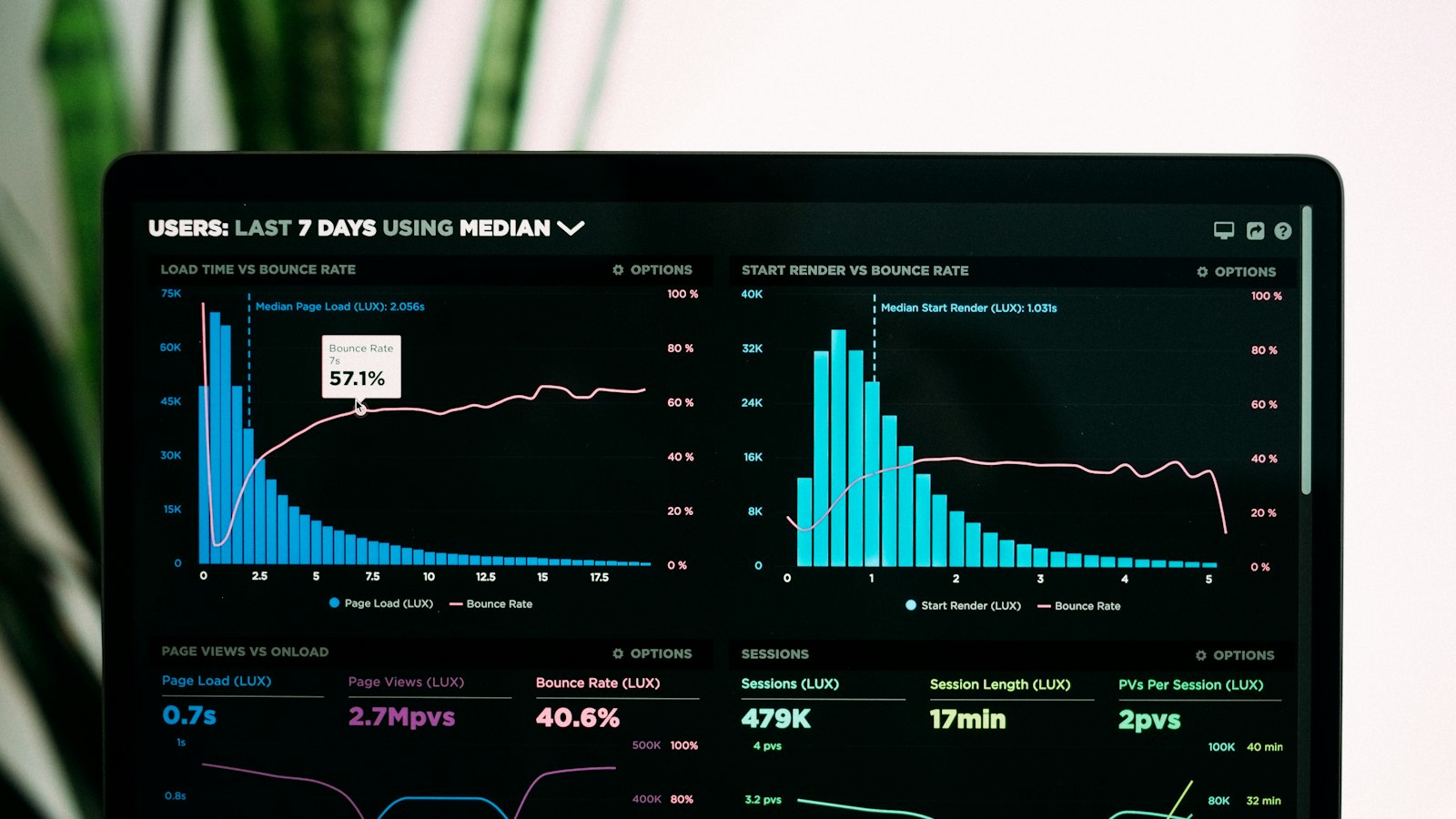
So the protocol matters more than the device. Same time of day, ideally first thing. Same state — after the bathroom, before food and drink. Bare feet, dry, on a hard floor rather than carpet. Then ignore every individual reading and look only at the seven-day average. If a scale makes that easy, it is doing its job. If it encourages you to check twice a day, it is working against you.
📉 Track the trend, not the daily number
Where Hume Health fits
Hume’s current scale is the Pod 2.0, which uses eight sensors rather than the four on most budget scales. That matters for a specific reason: four-sensor scales pass current between your feet only, which means the estimate for your upper body is largely inferred. Eight-sensor designs are better placed to give segmental readings that mean something, which is the one part of the metric list with genuine practical use.
It reports the full spread of roughly 45 metrics through a free app, and the hardware comes with a 45-day return window. A ten-year warranty is available, though it is a paid add-on at checkout rather than something included in the box, which is worth factoring into the real price.
The company also sells a wearable, the Band 2.0, marketed as a longevity band with a claim about adding a measurable amount of extra life. That figure comes from the company and is not something you should treat as established. Lifespan is not a thing any consumer wearable can currently demonstrate it changes, and a specific number attached to that claim should make you more sceptical, not less. Judge the scale on the scale.
Who should not buy one
Anyone for whom the numbers become the problem. If daily weighing has ever tipped into something compulsive, or you have a history of disordered eating, a device that produces forty-five metrics a day is not a neutral object. It is a machine for generating things to worry about. This is the most important line in this article and it applies regardless of how good the hardware is.
Anyone who needs clinical accuracy. If a number is going to inform a medical decision, a DEXA scan or a clinical assessment is the tool. A consumer scale is not a substitute and does not claim to be.
Anyone with an implanted electronic device. Impedance scales pass a current through the body, and manufacturers generally advise caution with pacemakers and similar implants. Check the specific guidance before buying rather than after.
Anyone who just wants to know their weight. A good analogue scale costs a fraction as much and will not ask you to open an app.

Conditions first, then the number
Fix the conditions before anything else. Same time of day, same state, same surface. Without that, the data is noise wearing a lab coat.
Weigh weekly rather than daily. Or weigh daily and only ever look at the weekly average, which the app should be doing for you anyway.
Pick two readings and hide the rest. A trend line and one other. Forty-five numbers is not forty-five insights.
Treat the return window as the trial. Forty-five days is long enough to find out whether you will use it, or whether it becomes an expensive bathroom tile.
📦 Check the 45-day return window before you commit
Why the chart is worth having
Used the way it is designed to be used, a smart scale does something a gym appointment cannot: it gives you a line on a chart, taken at home, in the same conditions, week after week. Direction over months is the information that actually changes decisions, and a bathroom scale is the cheapest reliable way to get it.
That is the case for owning one. Weight is directly measured and dependable, the trend is real, and having it recorded automatically rather than remembered badly is the whole point. Hume Health’s app is built around that longer view rather than the single morning reading, which is the right way round.
Buy it for the chart and ignore the decimal points, and it earns its place. If the daily readings ever start setting the mood of the day — and for anyone with a history of disordered eating they can — weigh weekly instead, or leave the scale in a cupboard for a while. That is a sensible use of the tool, not a failure of it.