A Mattress Takes About Thirty Nights to Judge. Most People Decide in Four Minutes.

The last time you bought a bed, how long did you actually lie on it? For most people the answer is about four minutes. Fully dressed, in a brightly lit shop, on top of a display model, aware that someone is standing a few metres away waiting for a verdict.
Four minutes is not a test. It is a first impression, and first impressions on mattresses are famously unreliable. The bed that feels wonderfully soft in a showroom is often the one that has your hip aching by the third week. The one that feels too firm in the shop is sometimes the one your back quietly stops complaining about.
This is the strange thing about mattresses: they are one of the few expensive purchases you cannot meaningfully test before you commit. Which means the things worth checking before you order are not really about comfort at all.
What a showroom can tell you, and what it cannot
A shop floor is genuinely useful for a few things. You can rule out an obvious mismatch. You can feel how high the bed sits, which matters more than people expect if you have knee trouble or a bed frame you are keeping. You can see the materials and how the edge holds when you sit on it to put your socks on.
What it cannot tell you is how your shoulder feels at four in the morning, whether you sleep hot once the duvet is on, or how the surface behaves after a fortnight when the newness has worn off and your body has stopped bracing against an unfamiliar bed.
Those answers only come from sleeping on it, in your own room, for weeks. Which is why the return terms deserve more of your attention than the showroom does.
The trial period is the real test
Saatva runs a 365-night home trial and a lifetime warranty on its mattresses, which is at the generous end of what the category offers. A year sounds like more time than anyone needs, and in practice it is. The useful window is the first month or two.
Reviewers who test these beds professionally generally suggest giving a new mattress about 30 nights before deciding. That is roughly how long it takes for a body used to an old, sagging surface to stop reading a supportive one as uncomfortable.
There is a detail worth knowing before you order. According to Mattress Clarity, which has tested the range, Saatva deducts a 99 dollar pickup charge from the refund if you send a mattress back, and that applies whether you are returning it or exchanging it for a different model. Exchanging also restarts the trial clock. Neither of those is unusual in the industry, but both are the kind of thing people discover at the wrong moment.
Firmness is a guess until you have slept on it

The Saatva Classic comes in three firmness levels: Plush Soft, Luxury Firm and Firm. Luxury Firm sits in the middle and is the one most people default to, which is a reasonable instinct if you sleep in more than one position across the night.
It also comes in two heights, 11.5 and 14.5 inches. This is not a comfort decision so much as a furniture one. The taller version changes how the bed sits in the room, how your fitted sheets behave, and whether the mattress clears the sides of a frame you already own.
On construction, the brand states over 1,000 recycled carbon steel coils in full size and up, a dual-coil design with individually wrapped coils, a three-inch Euro pillow top, and a lumbar support zone through the middle. The foams are CertiPUR-US certified, the mattress carries GREENGUARD Gold certification, and the range is endorsed by the American Chiropractic Association. The cover is an organic cotton blend.
Certifications like these are not marketing decoration. GREENGUARD Gold in particular is about chemical emissions, which is the sort of thing worth caring about in an object you breathe next to for eight hours a night.
Almost nobody plans for the stairs
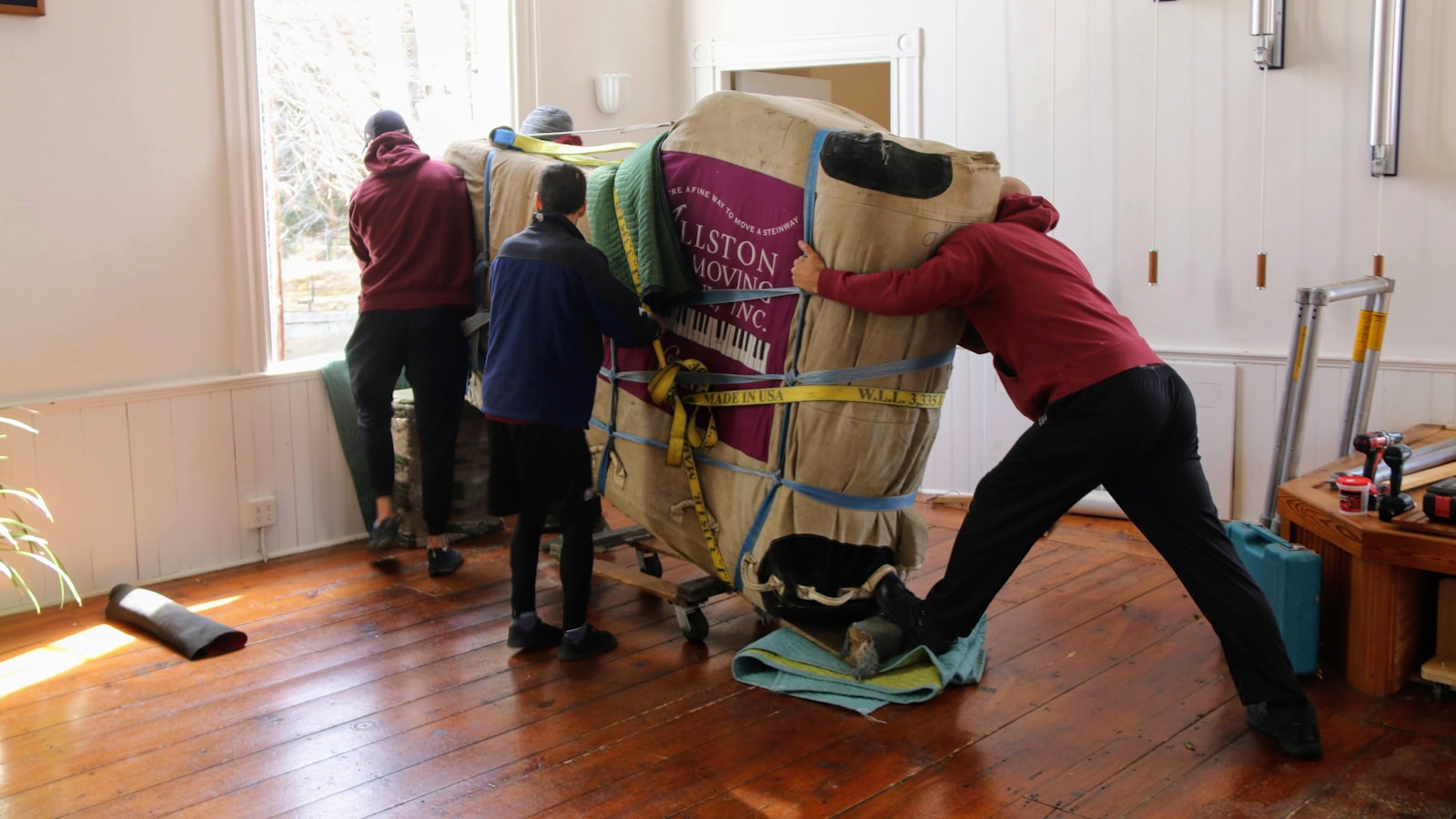
Here is the part that catches people out, and it has nothing to do with sleep.
Saatva does not ship a compressed mattress in a box. Delivery is a two-person white glove service: the mattress is carried into the room you choose, furniture and foundations bought with it are assembled in place, and the old mattress and foundation or box spring are taken away if you select that at checkout.
What the team will not remove is more specific than most people assume. Waterbed bases, standard metal bed frames, Sleep Number bases, and anything stained or damaged are all excluded, as are old bed frames, nightstands and other furniture. If you were quietly hoping the delivery crew would take the broken frame too, they will not.
The bigger one is stairs. Saatva states that if the mattress cannot make it up to the room, it will exchange it for a different size or height, or refund it minus a 99 dollar processing fee. An uncompressed mattress does not bend around a tight landing the way a boxed one does. Measure the narrowest turn on your staircase and the doorway before you order, not after.
Practical details worth noting: you get a four-hour delivery window the day before, the delivery partner can hold the order for up to 30 days if your room is not ready, rug deliveries require you to clear the floor first, and the service covers the continental United States, with longer timeframes for remote postcodes.
The trade-off that keeps coming up
The dual-coil construction that makes this style of bed feel responsive and easy to move around on has a direct cost, and honest reviews are consistent about it.
Mattress Clarity rated motion isolation as the Classic’s weakest area by a clear margin in its testing, describing water in a glass shifting sharply when a tester moved on the other side of the bed. If you share a bed with someone who gets up at night, or a dog who rearranges itself hourly, that is the single most relevant thing on this page.
Springiness and motion isolation pull against each other. You can have a bed that feels lively and easy to shift on, or one that absorbs a partner turning over. No mattress gives you both in full, and any brand claiming otherwise is selling.
Who should look somewhere else

A few people are better served elsewhere, and it is worth being direct about them.
Light sleepers with a restless partner. The motion transfer issue above is real and well documented. An all-foam or pocketed-foam hybrid will serve you better.
Anyone who wants that sinking, cradling memory foam feel. An innerspring with a pillow top does not do that, and no amount of topper fixes the fundamental character of the bed underneath. Saatva does sell foam and hybrid models, so the answer may be a different model rather than a different brand.
People who want a box on the doorstep. If you would rather receive a compressed mattress, unroll it yourself and set it up on your own schedule, white glove delivery is the wrong service for you, however good it is.
Anyone outside the continental United States. The delivery service simply does not extend there.
Settle these before you order
Five things, none of which take more than a few minutes, and all of which are harder to fix afterwards.
- Measure the narrowest point on the route to the bedroom, including the turn at the top of the stairs.
- Check whether the thing you want removed is actually on the removal list, or whether you need to arrange it yourself.
- Decide the height before the firmness. It affects your frame, your sheets and how you get in and out of bed.
- Note the date the mattress arrives, and put a reminder 30 days later. That is your real decision point, not the end of the trial.
- If you share the bed, agree in advance what a deal breaker looks like. It is much easier to judge a mattress together when you have both said out loud what you need from it.
None of this is glamorous. But a mattress is a piece of furniture you use more hours than any other object you own, bought through a process that gives you almost no useful information at the point of sale. The brands that make the after-purchase part easy, with a long trial and someone else carrying the thing up the stairs, are removing the actual risk, which is not the price. It is being stuck with the wrong bed.