Your Friend Loves the Franchise. That Doesn’t Mean They’ll Love the Board Game.
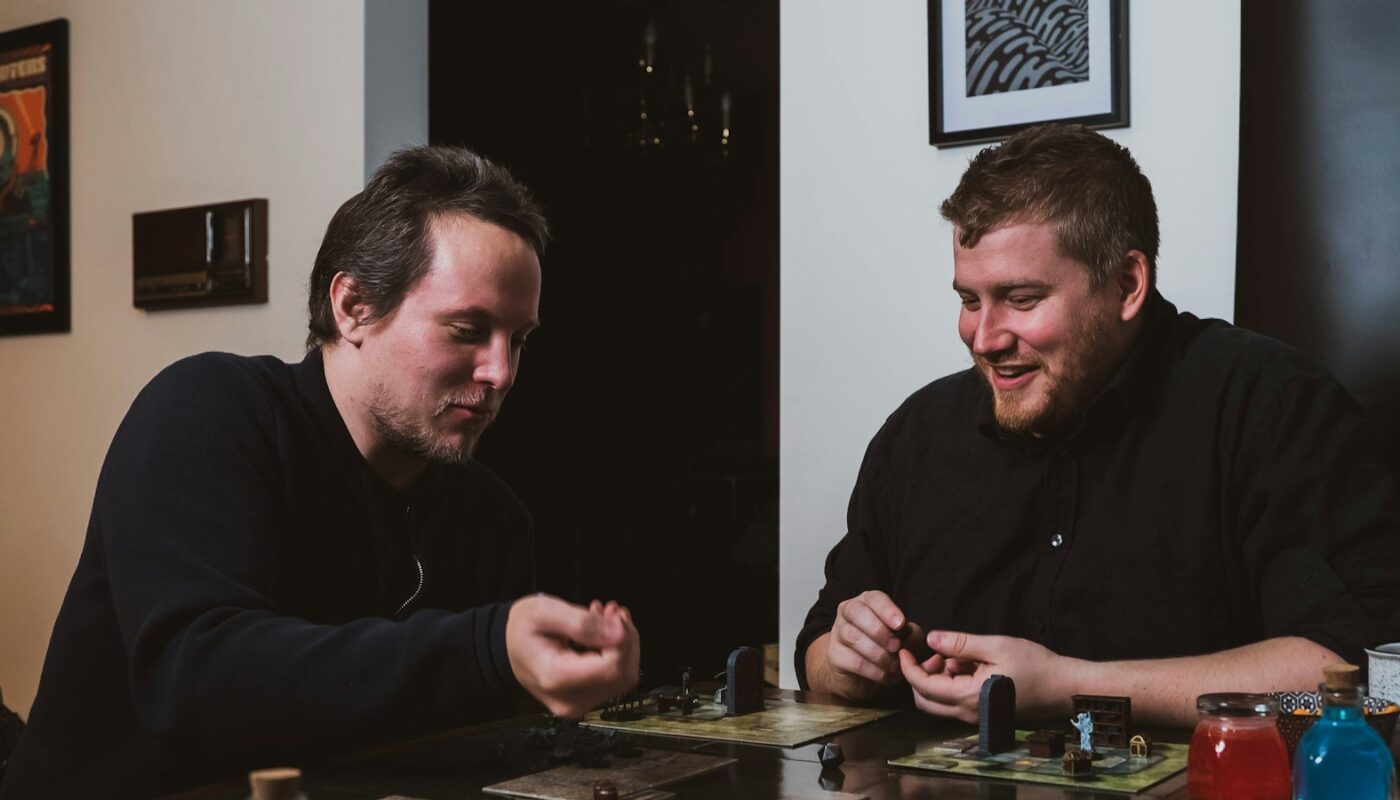
Every game shop has the shelf. Bright boxes, a logo you grew up with, and a price that suggests somebody took it seriously. You pick one up because a friend loves the franchise, and then the doubt arrives: is this a good game, or just a good logo?
Licensed board games earned their bad reputation honestly. For years, a lot of them were quick products built around the artwork, with the actual game an afterthought. That’s changed, but not evenly, and the box rarely tells you which kind you’re holding. A few questions before you buy will tell you more than the cover ever will.
Why the licence is the least important thing on the box
A licence is a costume. Underneath it there’s always a game type with its own feel: deck-building, where you slowly improve a hand of cards; miniatures, where you move figures around a board; roleplaying, where the group tells a story together; or co-operative play, where everyone wins or loses as a team.
That underlying type decides whether your table enjoys the evening. Someone who loves Transformers but dislikes shuffling cards will not be won over by a deck-building game with robots on it. Someone who loves deck-building will enjoy a good one whatever is printed on the cards.
So the first question isn’t “do they like the franchise?” It’s “do they like this kind of game, and is the franchise a bonus?”
Who is making licensed games worth playing
Renegade Game Studios is one of the publishers that has built a business on taking licences seriously. It was founded in 2014 by Scott Gaeta and is based in Escondido, California. Since 2018 it has worked with Hasbro on tabletop versions of properties including Transformers, Power Rangers, G.I. JOE and Axis & Allies.
Its catalogue shows the “costume over a real game” approach clearly. The same franchise often appears in more than one format:
- Deck-building games for Power Rangers, Transformers, G.I. JOE and My Little Pony, for players who enjoy building up a hand over the course of a game.
- Miniatures games such as Power Rangers: Heroes of the Grid, for groups who like figures on a board and tactical movement.
- Roleplaying games for Power Rangers, Transformers, G.I. JOE and My Little Pony, alongside its own lines such as Kids on Bikes, which won the 2019 ENnie Gold award for Best Family Game.
- Solo games, a range designed to be played alone, for anyone whose group can’t meet as often as they’d like.
Renegade also publishes long-running hobby lines that have nothing to do with toys, including roleplaying books for Vampire: The Masquerade and Werewolf: The Apocalypse. That matters, because a publisher with a serious hobby audience tends to design licensed games for players rather than for shelf appeal.
🎲 Browse the Range by Game Type, Not Just by Franchise
Four questions to ask before you buy
1. Which game type does your group already enjoy?
Match the format to the people. A group that tells stories and does voices will get more from a roleplaying game than a strategy board game, even with the same logo on both. A group that likes to compete quietly will prefer a card game.
2. Are the fans the whole table, or just one person?
If only one person at the table loves the franchise, the game has to stand on its own for everyone else. That points towards a game type the rest of the group already likes, rather than the most franchise-heavy option.
3. Does it fit your table size and your evening?
Player counts and play times are printed on every box and on the product pages. Check them against the group you actually have, not the ideal one. A brilliant game for two to four players won’t work at a table of six.
4. What does the licence add beyond the artwork?
The best licensed games use the setting in the rules: characters who play the way they behave in the source material, and moments fans will recognise. If the franchise could be swapped for any other without changing how the game works, you’re paying for the art.

Buying in the UK
Renegade runs a dedicated UK web store, opened in 2021, so there’s no need to order from its US site and wait for an import. Its games are also stocked by UK hobby retailers and independent game shops.
Two habits save money. Compare the price on the publisher’s own store against a couple of UK retailers before you buy, because hobby games are frequently discounted by shops. And if you have a local game store, ask whether they run demo copies. Playing twenty minutes before buying answers most of the questions above for free.
🛒 Check the UK Store Before You Import from Abroad
Who should look elsewhere
A hobby publisher’s licensed range isn’t the right pick for every table. Look at something else if:
- You want a quick party game for a big, casual group. Most hobby games reward a few learning sessions. A simple party or word game will suit a crowd better.
- Nobody at the table likes the game type. A favourite franchise won’t rescue a format the group finds dull.
- You’re buying purely as a collectible. If the box is going on a shelf unopened, a figure or artbook may give you more of the franchise for the money.
- Price is the only consideration. Hobby games cost more than mass-market family games. If budget is tight, check discounted UK retailers or second-hand listings first.
The short version
Buy the game type, then enjoy the franchise on top. A licensed game from a publisher with a real hobby audience is far more likely to be played than a cash-in, and asking what kind of game it is underneath will tell you more than the logo ever will.
🤖 Find the Version of Your Favourite Franchise That Your Table Will Actually Play