Four Things That Tell You a Pair of Jeans Will Fit Before You Try Them On
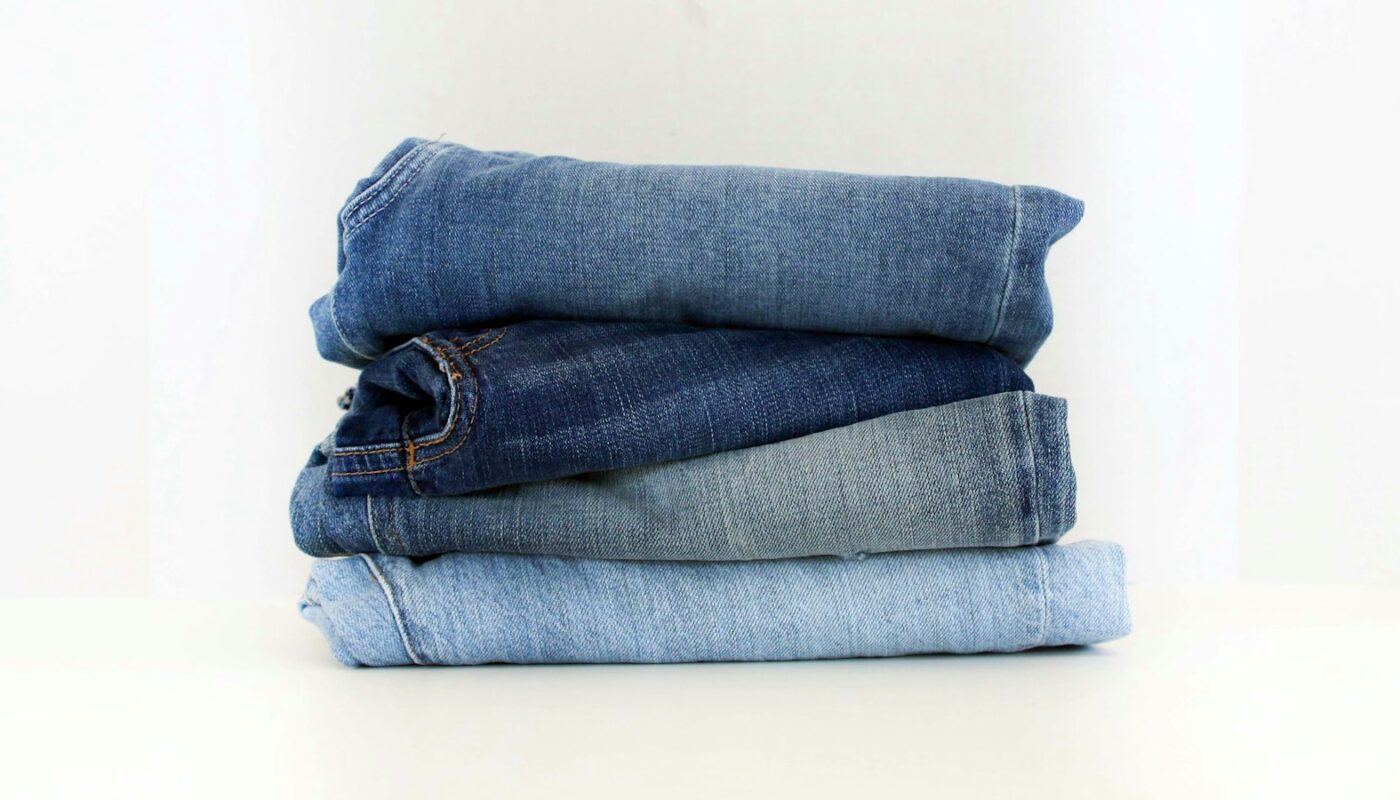
Two pairs of jeans can carry the same waist size and fit two completely different ways. One sits low and drapes wide from the hip. The other sits at the natural waist and narrows all the way to the ankle. Same number on the tag, different trousers entirely.
That is why buying jeans online feels like a gamble, and why so many people end up owning three pairs that are nearly right. The fix is not a better tape measure. It is reading the four details a good denim brand prints next to every cut, and matching them to what you already know you like.
Get those four right and the pair that arrives in the post is the one you wear for years.
Waist size is only the first number
A waist measurement tells you the jeans will close. It says nothing about where they sit on your body, how much room they give through the seat and thigh, or what the leg does below the knee. Those are the things you notice in a mirror, and they are the things that decide whether a pair becomes a favourite.
Diesel’s own denim guide describes every cut with the same four labels: fit, leg, waist and crotch. Once you know what each one means, a product page stops being a photo and starts being a description of how the jeans will feel.
👖 Open Diesel’s fit guide and find your four
The four details that decide the shape
Fit. The overall family. Diesel sorts its men’s jeans into bootcut, regular, relaxed, slim and skinny, and adds flare for women. This is the silhouette you would describe to a friend.
Leg. What happens from the knee down: straight, tapered, slim, wide or skinny. Two regular fits can feel very different because one runs straight to the hem and the other narrows.
Waist. Where the waistband sits: low, mid or high. This is the detail people most often get wrong, and it changes how a top tucks, how the jeans sit when you bend, and how long your legs look.
Crotch. Regular or low. A low crotch is the drop you see on baggy streetwear cuts. A regular crotch keeps the line closer and cleaner.
Stretch decides how that shape feels by evening
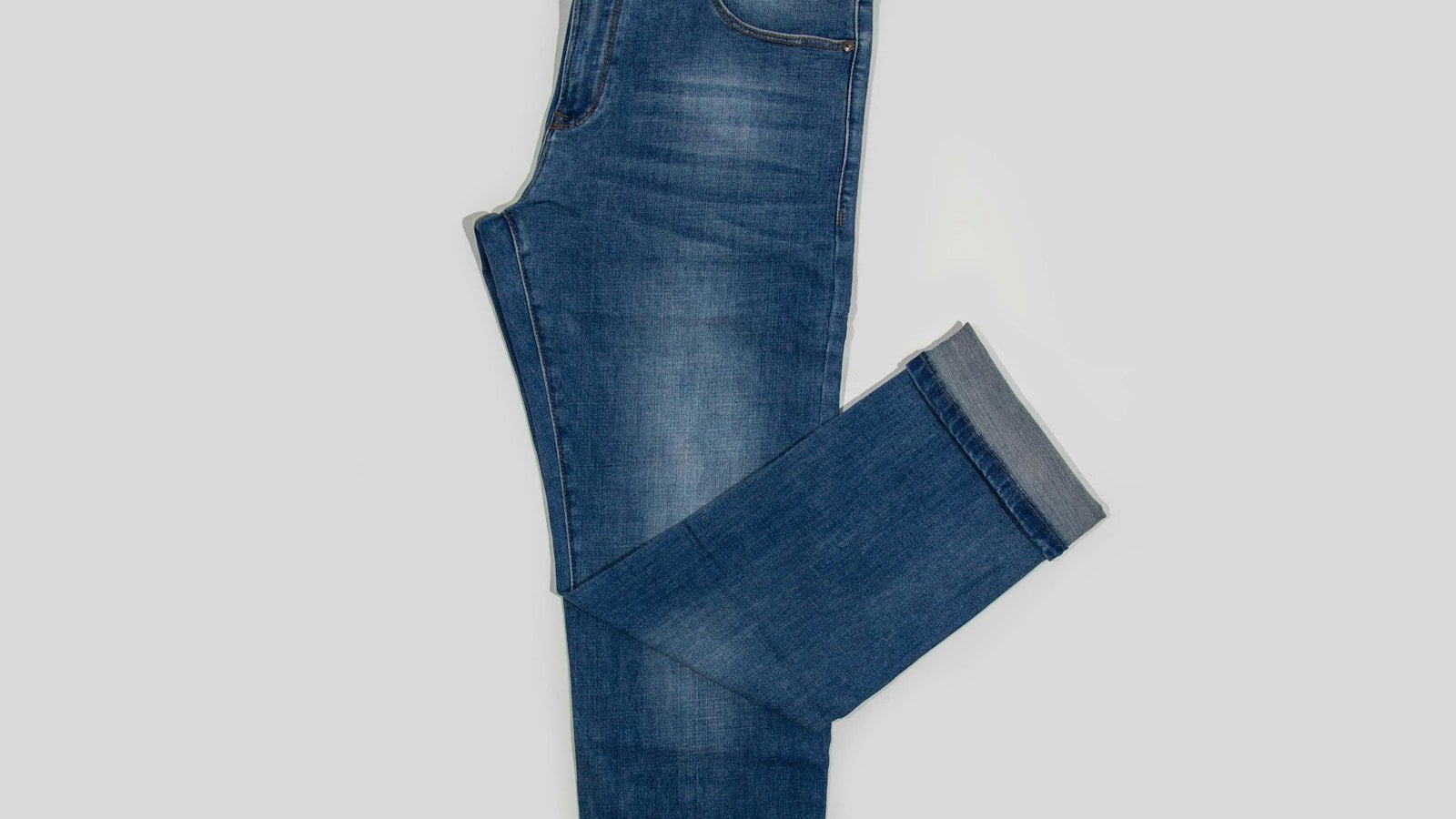
The same cut behaves differently in different fabric. Diesel grades its denim on a four-step scale: rigid, comfort, stretch and super stretch.
Rigid denim holds its shape and breaks in to you over time. Comfort and stretch give a little from the first wear, which suits slimmer cuts and long days sitting down. Super stretch moves with you, and it is what makes a skinny or close slim fit wearable from morning to night.
A useful rule: the closer the cut, the more stretch you want. The wider the leg, the more you can enjoy a rigid fabric.
How Diesel writes all of this into the name
Diesel names each cut with a year and a word, and then lists the four details beside it. The name is how you find the jeans again. The details are how you know they will fit.
1993 D-Vyl. Slim fit, slim leg, mid waist, regular crotch. Diesel calls it an iconic slim straight leg that sits at the natural waist. If you want one pair that works with almost everything, start here.
2019 D-Strukt. Slim fit with a tapered leg and a mid rise. The same clean line as the D-Vyl, narrowing towards the ankle so it sits neatly over trainers.
1985 Larkee. Regular fit, straight leg, low waist. An archival shape with a long, straight leg for anyone who wants classic jeans rather than a fashion cut.
2001 D-Macro. Relaxed fit, wide leg, low waist and a low crotch. The baggy, drop-crotch silhouette for a streetwear look.
1978 D-Akemi. A wide flare that sits snug at the natural waist, from the women’s range. Diesel calls it a modern, timeless fit.
1971 D-Sent. Regular fit, straight leg, high waist. A clean high-rise straight jean from the women’s range, and an easy match for tucked-in tops.
Read the four details against what you already own. If your favourite pair is mid-rise and tapered, the D-Strukt is the one to click. If you live in high-waisted straight jeans, the D-Sent is already your shape.

🔍 Match your favourite pair to a Diesel cut
Who should skip rigid denim
If you want jeans that feel soft from the first wear, rigid fabric is not your starting point. It rewards patience, and it takes a few weeks to shape to you. Choose a comfort or stretch fabric in the same cut instead, and you get the silhouette without the break-in.
The pair that earns its place
The real upgrade is not a more expensive pair of jeans. It is a pair chosen on purpose: the right waist height, the right leg, a crotch that suits how you dress, and a fabric matched to the cut. Jeans bought that way get worn every week instead of waiting at the back of a drawer.
Diesel’s own care advice helps the good pair last. Wash as little as you can, turn the jeans inside out on a short or delicate cycle at no more than 30 degrees, skip fabric softener, never tumble dry, and dry them flat in the shade to keep the colour true. Diesel even suggests a day in the freezer to freshen them between washes.
Pick your four details, find the cut that carries them, and buy the one pair you will reach for first.