For Trips Too Long to Drive and Too Short to Fly, the Maths Has Changed
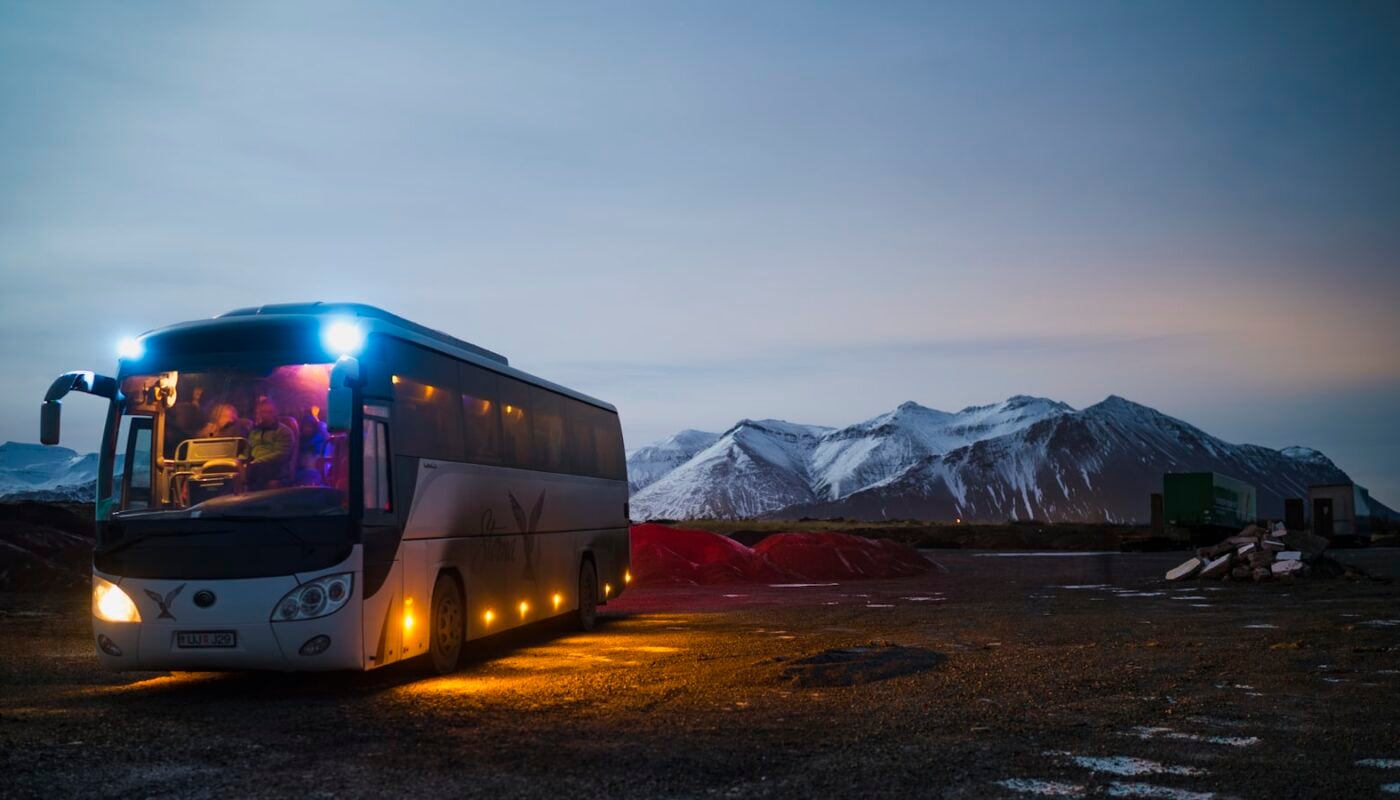
There is a distance that defeats people. Roughly three hundred to five hundred miles. Too far to drive without it eating the day, too short for flying to make sense once you count everything flying actually involves.
Most people default to driving, because it is the option that requires no decision. But the default is worth interrogating on this particular distance, because it is the one stretch of American travel where the coach genuinely competes, and where the comparison turns on something other than the ticket price.
Count the whole journey, not the middle of it
Flying a short domestic hop looks fast until you account for the parts either side. Getting to the airport, arriving early enough for security, the gate, the taxi or transit at the far end. A ninety-minute flight is rarely a ninety-minute trip, and on a four-hundred-mile route the door-to-door figure often lands within an hour or two of the bus.
Driving is the most flexible option and the most demanding. You arrive having worked, in the sense that you concentrated for seven hours. Add fuel, add parking at the destination, and add the fact that nobody in the car did anything useful with the time.
Rail is excellent where it exists. Outside the Northeast Corridor and a handful of other routes, it frequently does not, or it runs once a day at an hour nobody wants.
Which leaves the coach carrying the argument on a specific set of grounds: cost, no security queue, luggage included, and several hours in a seat where you can actually work.
🚌 Check what the route costs before you commit to driving
What the bus is now
Greyhound is not the company most people picture, and the reason is corporate. The German operator Flix bought the Greyhound bus service in 2021, and the two networks now sell into each other, so a search returns Greyhound and FlixBus schedules together. Greyhound lists over 1,600 destinations across the US, Canada and Mexico.
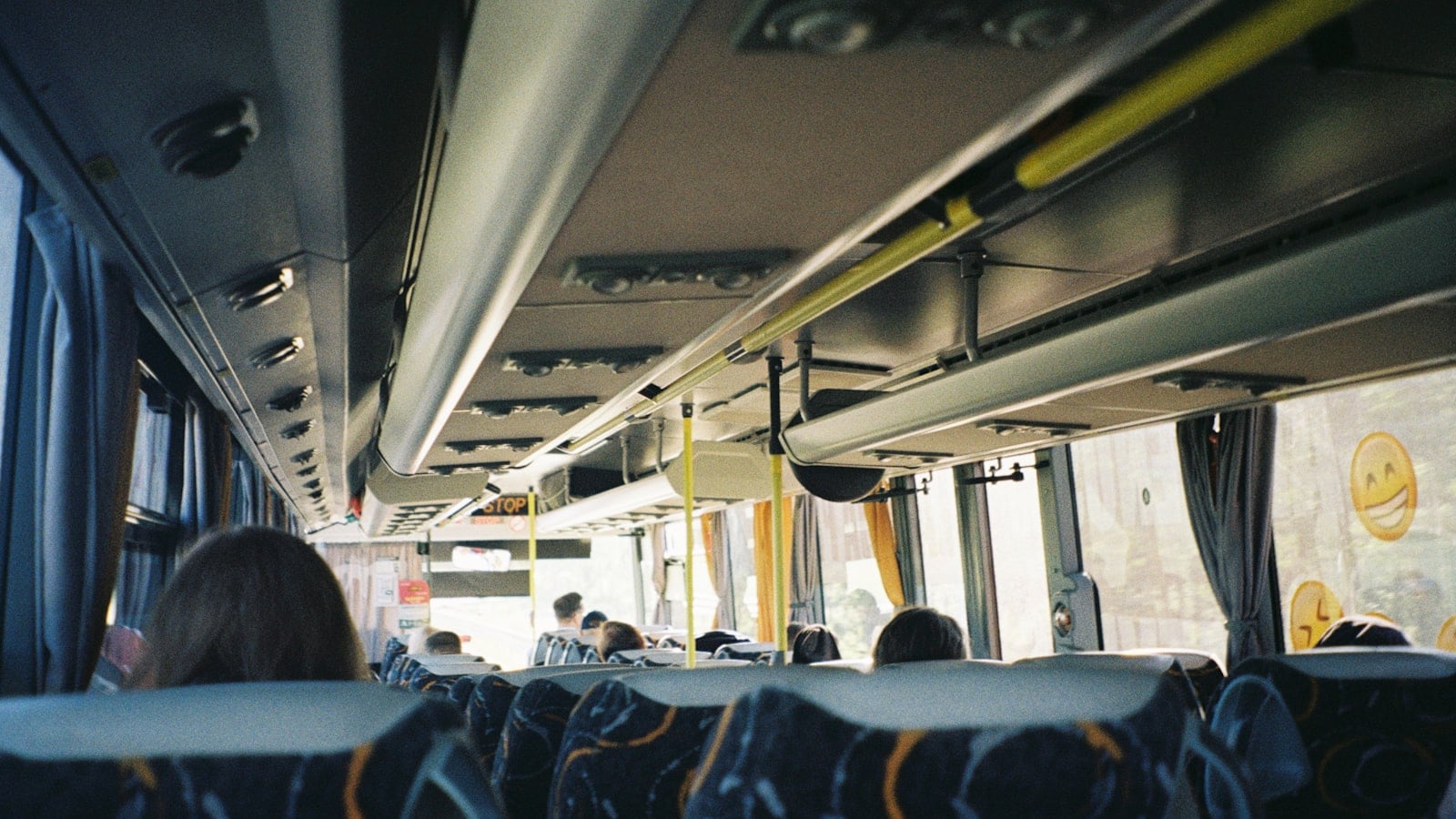
Onboard, the standard offer is free Wi-Fi, power outlets, extra legroom and a restroom, with the option to reserve a specific seat rather than take what is left. None of that is remarkable in isolation. What it adds up to is the practical case for the bus over the car on this distance: it converts seven hours of driving into seven hours of doing something else.
The baggage rules are more generous than flying and worth knowing precisely. One carry-on, a small duffle or backpack that goes under the seat or overhead, plus one stowed bag in the hold, included. Routes into Mexico allow two stowed bags. Strollers and car seats travel free and do not count against the allowance, which quietly makes this a strong option for anyone travelling with a small child.
Two things need doing in advance rather than at the door. Extra bags must be booked and paid for online before departure and are subject to space in the hold. Bulky items are limited to one per passenger and to a combined width, length and height of 95 inches, with a fee.
The question that actually decides your trip
Here is the part that does not appear in any fare comparison, and it matters more than the price.
When Flix bought the Greyhound service in 2021, it did not buy the stations. Those were separately owned, and around three dozen were acquired by Twenty Lake Holdings, the real-estate arm of the investment firm Alden Global Capital, which has bought and sold off assets in other industries the same way.
The consequence is that downtown bus terminals have closed in cities including Houston, Cincinnati and Philadelphia. Richmond’s has been slated for demolition and redevelopment. Chicago’s future has been in question, with the city weighing whether to buy the terminal itself.
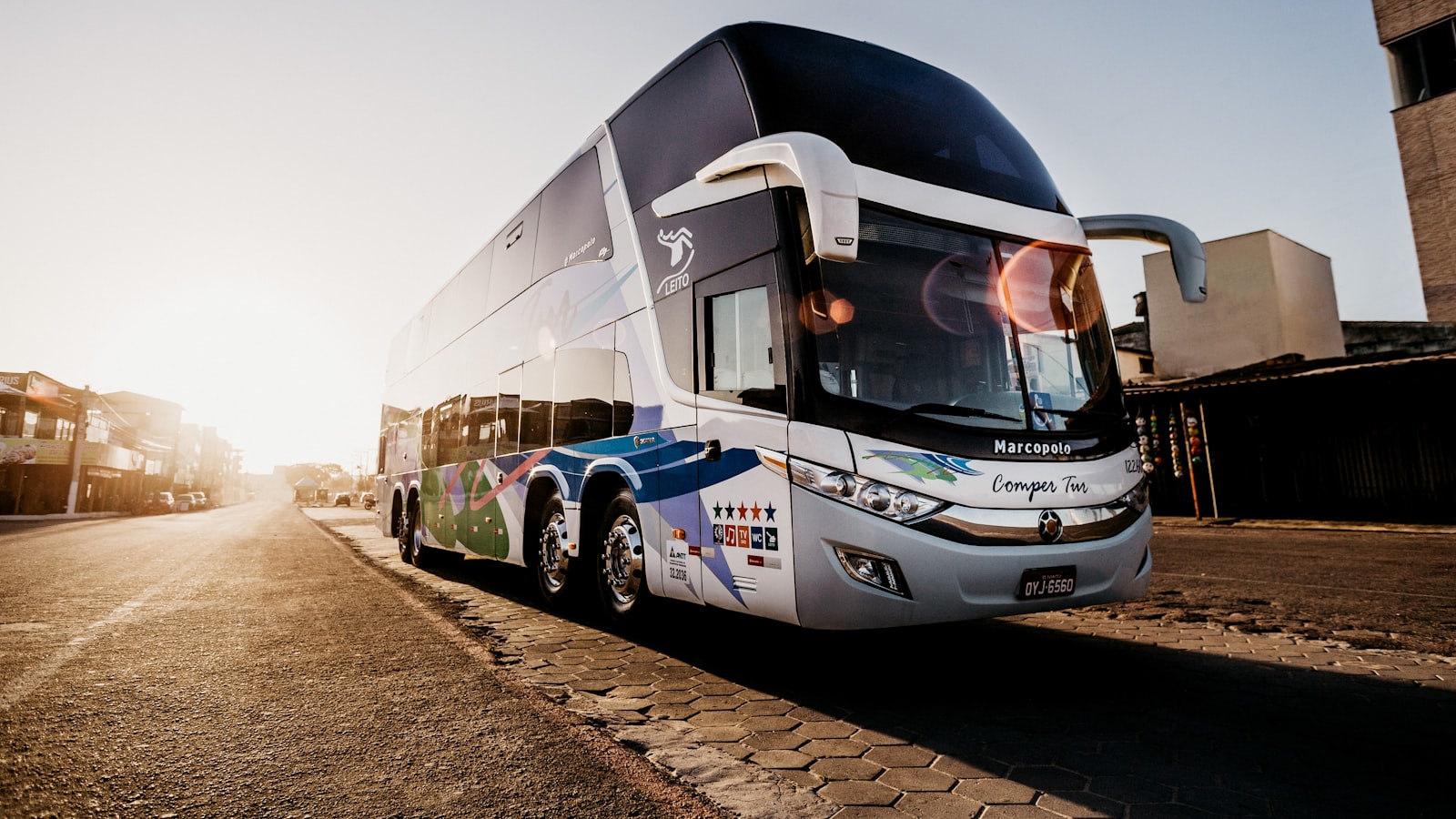
Where a terminal has gone, the bus still runs. It just stops at a kerb, which is a materially different experience: no sheltered waiting area, no restroom, no staffed counter, and often a location further from downtown transit than the old station was.
For a midday departure in mild weather, that is an inconvenience. For an arrival at one in the morning, in February, in a city you do not know, it is the whole decision. So before booking, look up the specific stop at both ends, check whether it is a building or a stretch of pavement, and look at your arrival time in that light.
This is not a reason to skip the bus. It is the single most useful piece of research you can do, and almost nobody does it.
🗺️ Look up your exact stop at both ends before you book
When the coach is clearly the right call
When the trip is under about six hours and both stops are proper terminals near transit.
When you are travelling alone and would otherwise drive. The cost difference is real, and so is arriving with your attention intact.
When you have work to do. Wi-Fi and a power outlet for the length of the journey is more usable time than a flight of the same duration gives you, because none of it is spent queueing.
When luggage matters. A stowed bag included, with strollers and car seats free on top, compares favourably with paying an airline for each of them.
When the route is one where Amtrak either does not go or goes once a day at dawn, which describes a great deal of the country.
🧭 See which routes run from a real terminal near you
When it is the wrong call
Overnight arrivals at a kerbside stop. Repeated because it is the failure mode that ruins otherwise sensible trips.
Trips much beyond ten or twelve hours, where a cheap flight usually wins on every measure that matters and the saving stops being worth it.
Tight connections. This is road transport sharing the road with everyone else, so traffic and weather do what they do. If you must be somewhere at a fixed hour, build in real margin or take something with a schedule less exposed to the interstate.
Anyone who cannot sit for long stretches, or who needs a specific level of accessibility at both ends. Where a terminal has closed, the facilities that made that manageable may have gone with it, and that is worth confirming directly rather than assuming.
Before you book
Price the whole door-to-door journey against driving and flying, including parking, bag fees and the transfer at either end. Check both stops on a map and confirm whether each is a terminal or a kerb. Look hard at the arrival time, especially if it is late. Book any extra or bulky baggage online in advance rather than turning up with it. And reserve a seat if the option is there, because on a seven-hour journey the difference between the front and the back row is not trivial.
Done properly, the middle-distance trip is the one where the bus quietly beats the alternatives. Done without checking where it stops, it is the trip people tell stories about afterwards, and not the good kind.
🎟️ Compare the route and reserve a seat while there is choice