Your First Greyhound Trip: What Happens After You Buy the Ticket
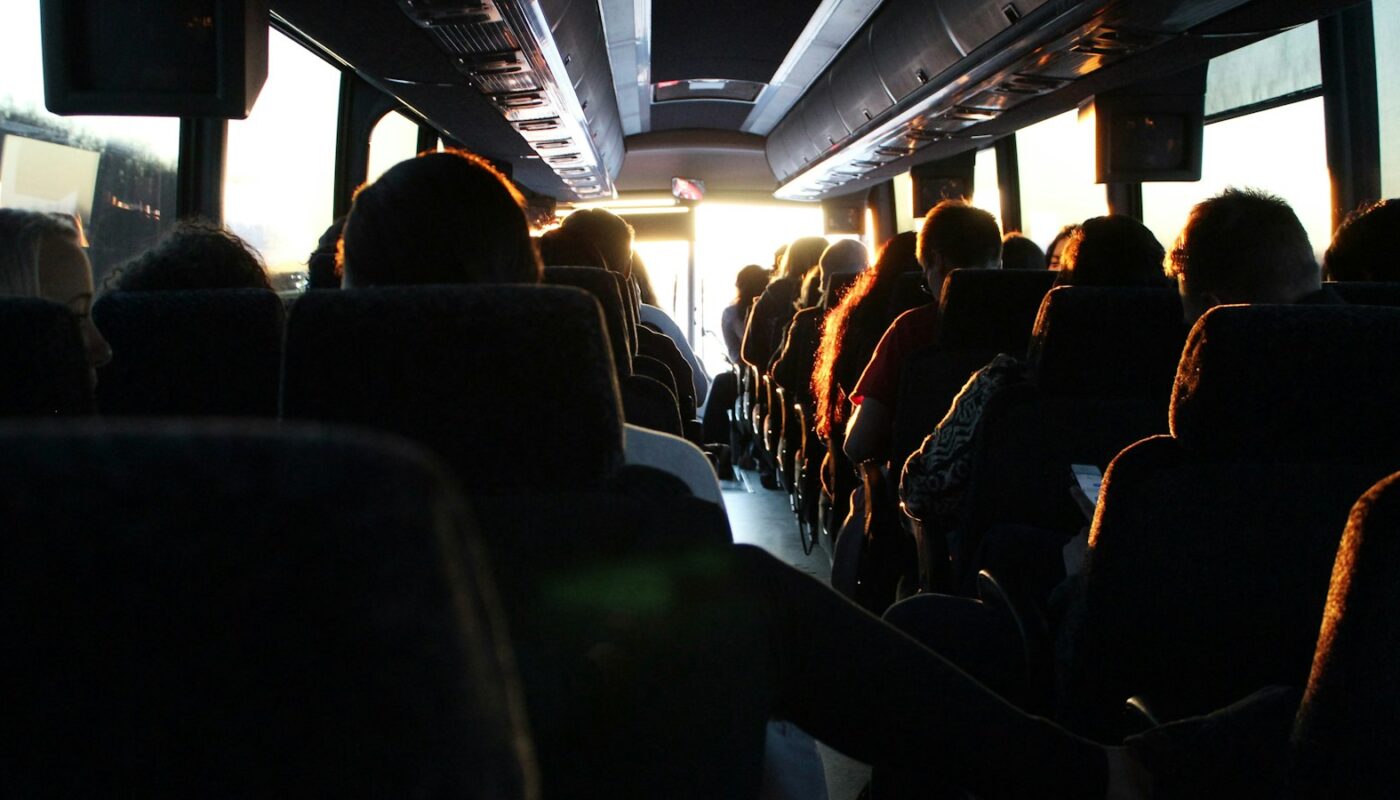
Most advice about bus travel stops at the booking screen. Pick a route, compare the fare, done. But the part of a Greyhound trip that people remember, good or bad, is everything that happens after the ticket: where the bus actually leaves from, what happens to your bag, what the seat is like at hour six, and what to do when the route involves changing buses halfway.
We have already looked at when the coach beats driving or flying. This is the companion piece: a practical walk through the day of travel itself, so a first long-distance bus trip goes the way you planned it.
Check where the bus really leaves from
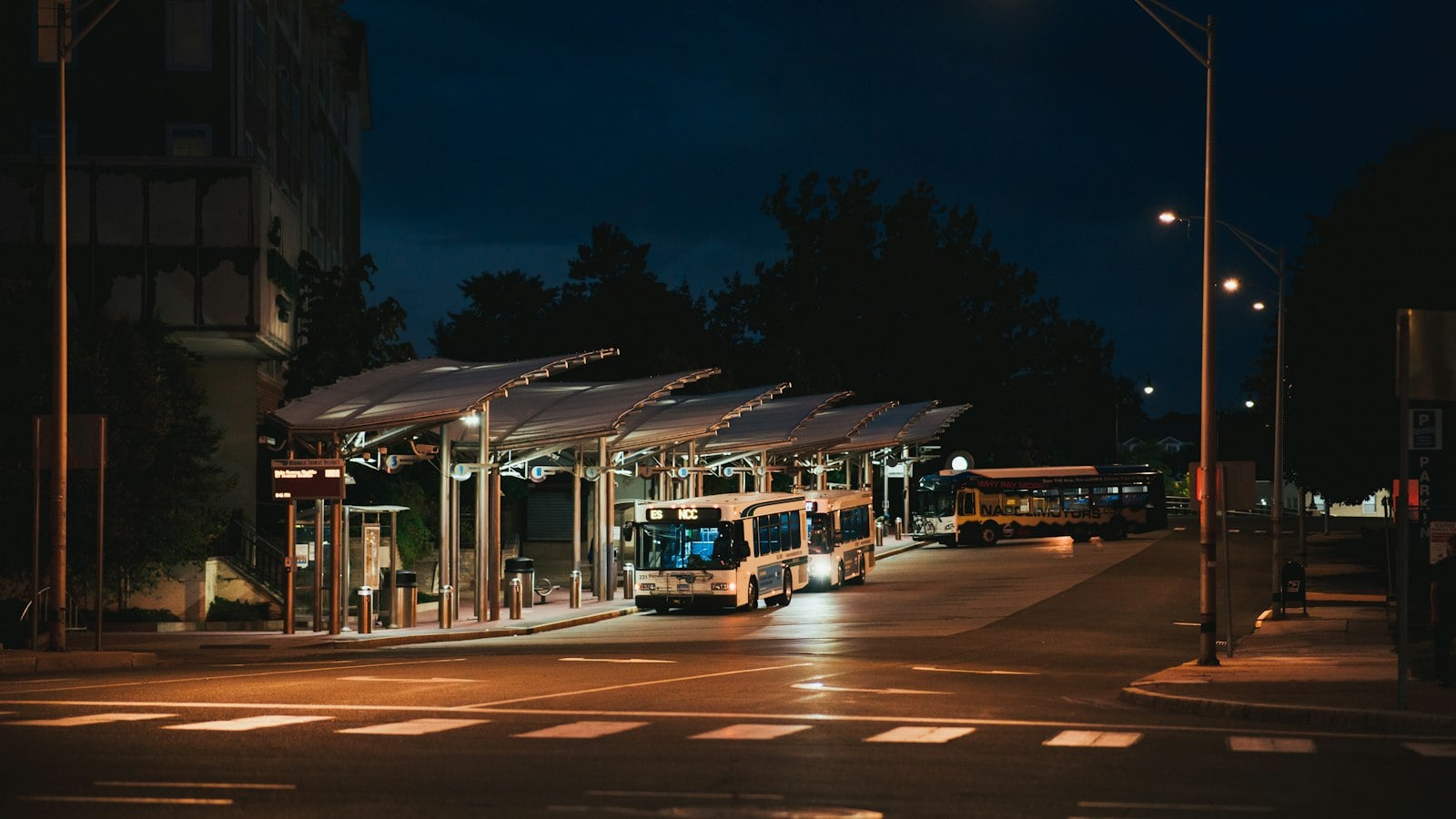
Greyhound is now owned by Flix, the company behind FlixBus, and since that takeover a number of the old downtown Greyhound terminals have been sold. In some cities the bus still leaves from a full station with a waiting room. In others the departure point is a curbside stop or a shared transit center. Chicago’s city council, for example, voted in 2026 to buy the city’s Greyhound terminal precisely so riders would not be left with a curbside stop.
The practical point is simple: read the departure address on your ticket rather than assuming it is the station you remember, and look it up on a map the day before. A curbside stop means no indoor waiting area, so plan for the weather and time your arrival accordingly.
🚌 Check Greyhound routes and departure points
Arrive early, and have your ticket ready
Greyhound asks passengers to be ready to board 15 minutes before departure, which is when boarding starts. Treat that as the latest you should be standing at the door, not the time to leave home. Tickets can be shown on your phone, and Greyhound says a photo ID can help if the ticket is not to hand, so carry ID either way.
If where you sit matters to you, whether that means a window for the scenery or being near the front on a long overnight run, Greyhound sells reserved seats when you book. Otherwise seating is first come, first served, which is another reason to be early.
Pack for the hold, not for the overhead bin
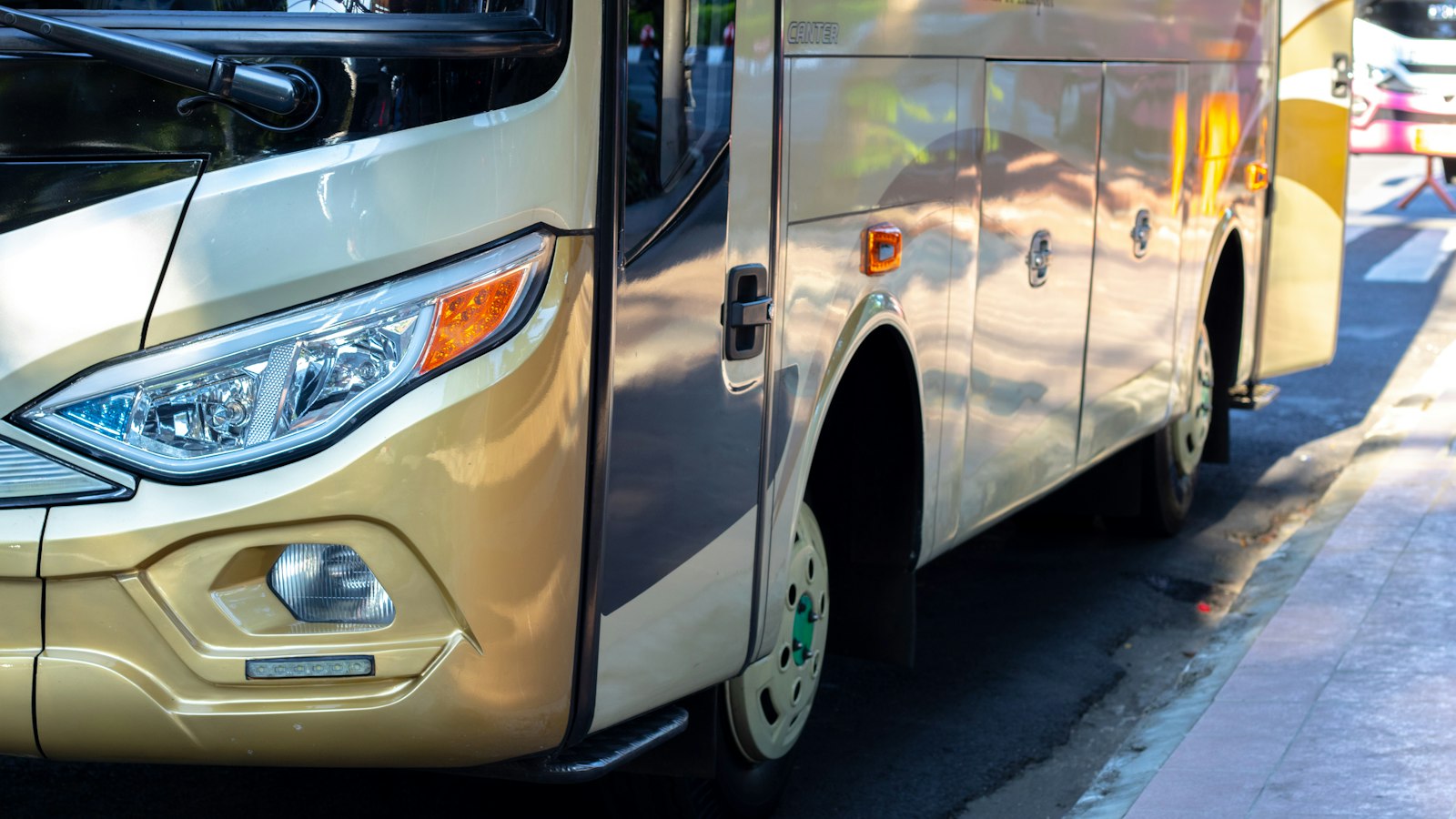
Within North America, excluding Mexico, the standard allowance is one small bag or backpack with you on board plus one bag stored in the luggage compartment underneath. Extra bags depend on space and have to be booked and paid for online before you travel. Check the current rules on Greyhound’s baggage page before you go, because allowances can change.
- Label the bag inside and out. Greyhound asks for your name and contact details on and inside the bag, and offers printable tags.
- Use a proper bag. Suitcases, duffels and securely tied boxes are fine; plastic and paper bags are not.
- Keep valuables with you. Greyhound states it is not liable for lost or damaged baggage, so medication, documents, chargers and anything irreplaceable go in the bag at your feet.
Transfers are your job
On routes that involve changing buses, your checked bag does not follow you automatically. Greyhound’s own guidance is that you collect it from the first bus and take it to the next one. Give yourself time at the transfer point, know which bus you are changing to, and do not wander far from the departure bay.
Make the long stretch comfortable
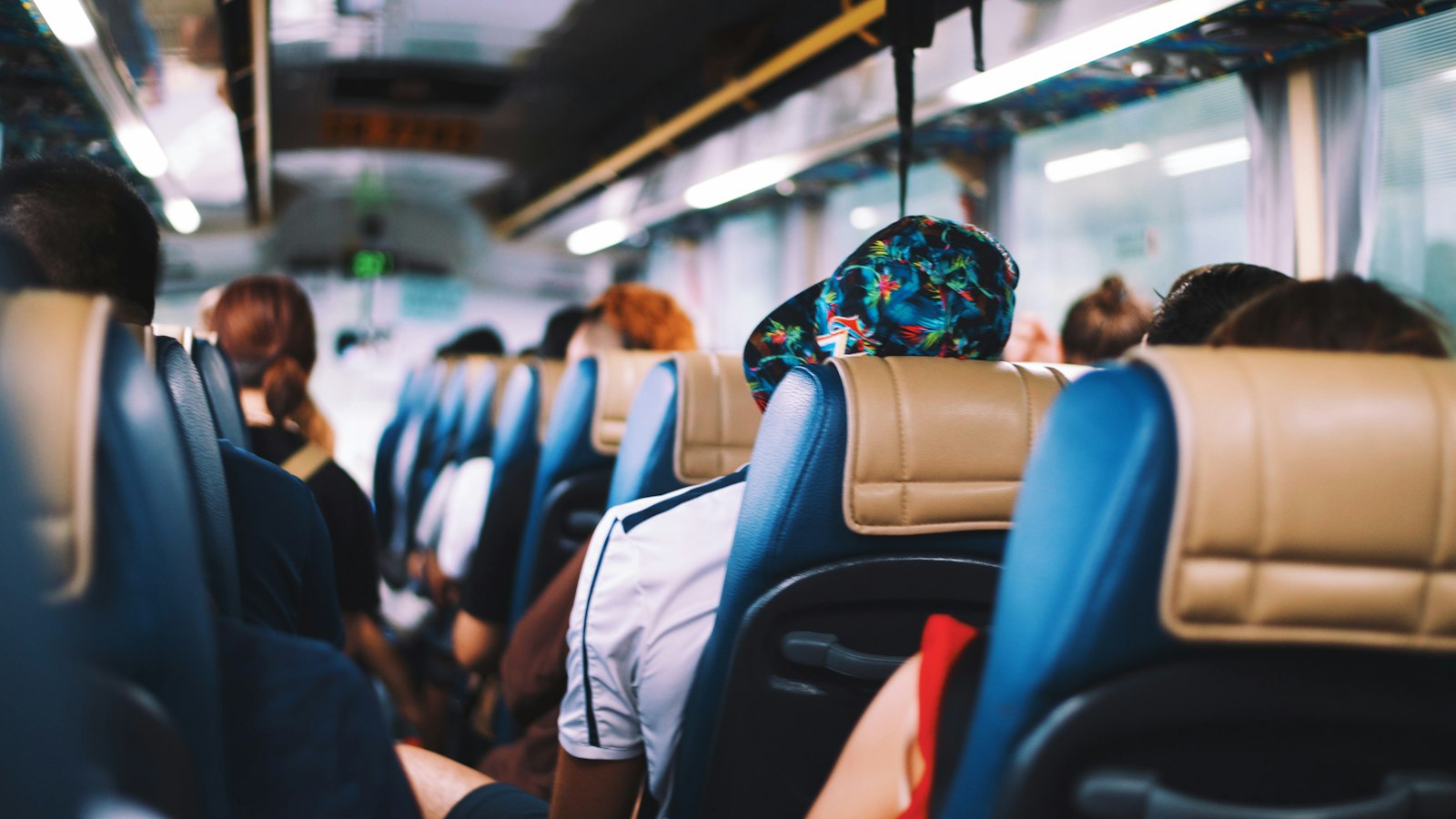
Most Greyhound buses have free Wi-Fi, a power outlet at nearly every seat, reading lights and an onboard restroom. What they cannot control is the temperature, the person across the aisle or the light at 2am. A short kit makes a big difference:
- Layers or a light blanket. Bus air conditioning is set for everyone, not for you.
- Earplugs and an eye mask for overnight legs.
- Food and water. Rest stops can be short, and some vendors there take cash only, so carry a little cash too. Alcohol is not allowed on board.
- A charging cable in your carry-on, not in the hold.
- Downloaded entertainment. Onboard Wi-Fi is fine for messages but not something to rely on for streaming across empty stretches of highway.
When a Greyhound trip is not the right choice
The bus rewards people with time and flexible plans. If you need to arrive at a precise time for something that cannot move, such as a flight connection or an exam, build in a large buffer or choose another option. The same goes for trips with a lot of luggage or a pet, since only service animals are allowed on board. And for very long distances, weigh the saving against a night or two of sleeping upright; for some trips a cheap flight simply makes more sense.
For everything in between, a little preparation turns a long bus ride from an endurance test into a cheap, easy way to cover ground.