How to Buy Coloured Stones Well on a Shopping Channel
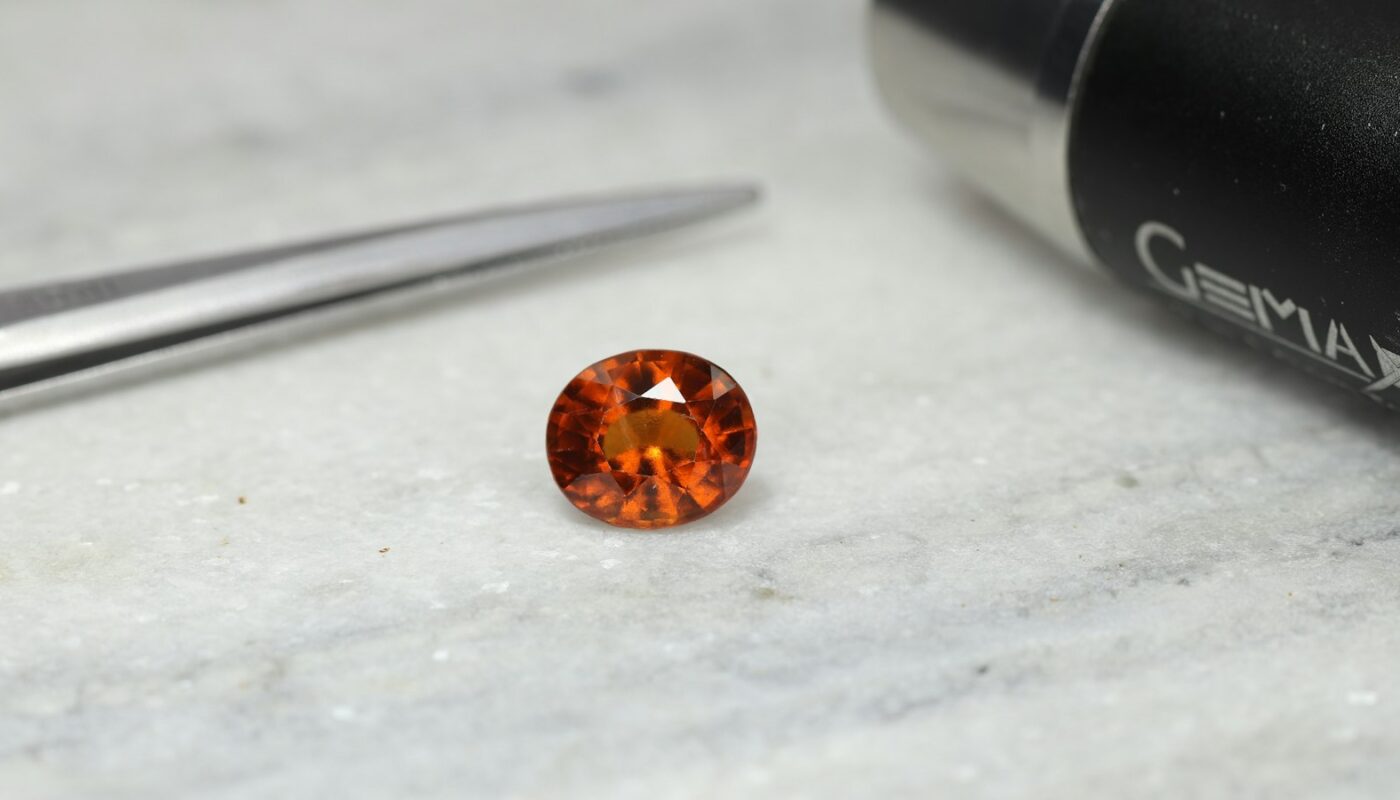
A ring sits on the screen. The auction opened at a dollar. There are forty seconds left, a host is talking over the top of it, and beside the current bid there is a second, larger number with a line through it.
Three numbers, and they are not the same kind of thing. The bid is real. The clock is real. The crossed-out number is not a price at all, and understanding why is most of what you need to buy jewellery online without regret.
An appraisal is not a price
In the jewellery trade, a stated appraisal or “compare at” value is a replacement-cost estimate. It is roughly what it might cost to source an equivalent piece at full retail, through a conventional jeweller, in a hurry. It is not what the item sells for, and it is emphatically not what you could sell it for tomorrow.
That gap is not unique to any one retailer. It is how the category has worked for decades, on the high street as much as online. But it means the discount framing — a large number struck through, a small number beside it — tells you almost nothing about whether the thing in front of you is good value.
So the practical move is to ignore the reference price completely. Cover it with your thumb. Then ask what the item actually is, and whether that is worth the money being asked. Everything below is how you answer that.
💎 Read the stone, not the discount
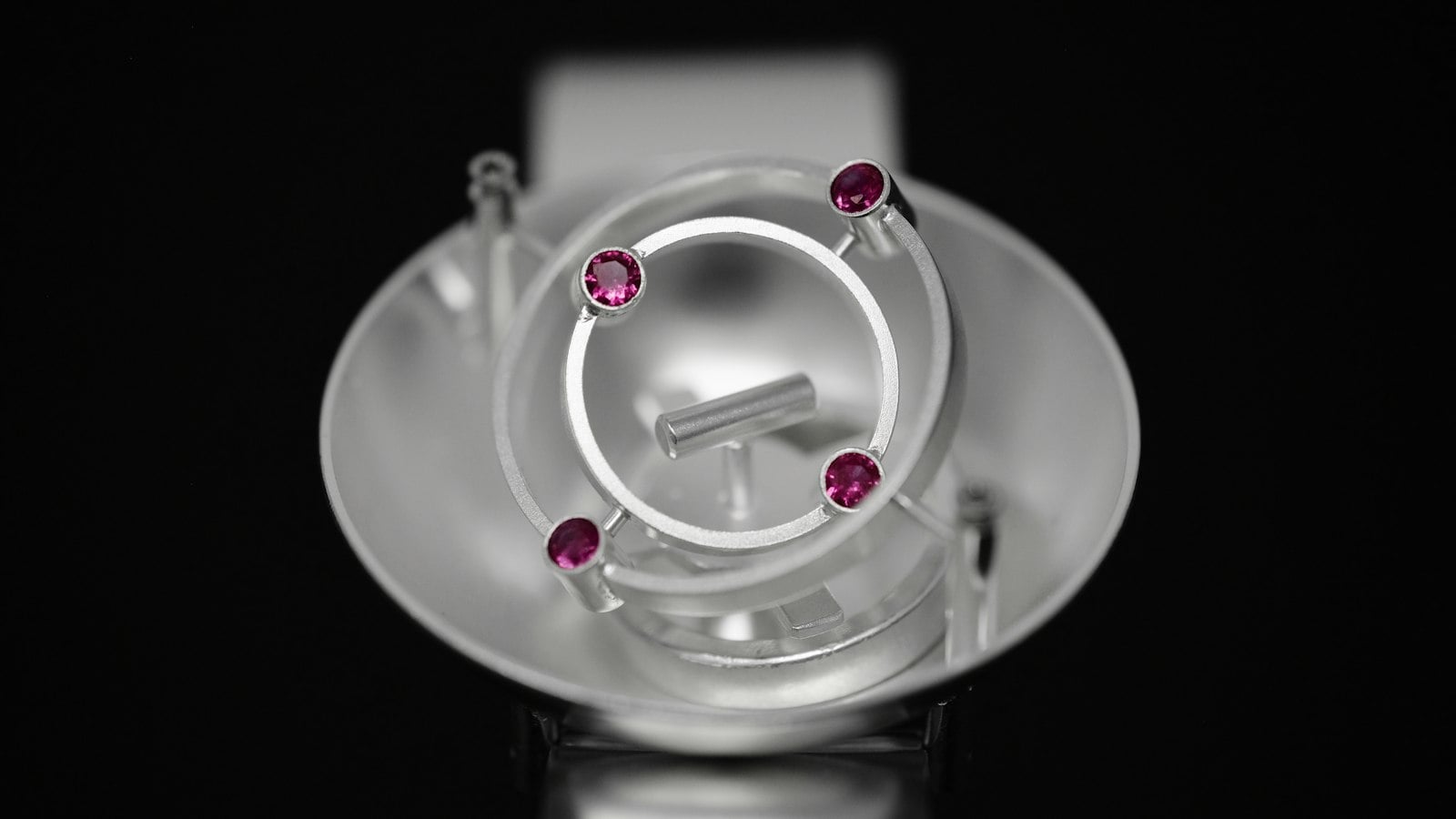
What to read on a gemstone listing
The exact stone name, and what has been done to it. This is the big one. “Sapphire” can mean a mined stone, a lab-grown stone, or a mined stone that has been heated, diffused or filled to improve its colour and clarity. All are legitimate products, sold legally, and treatment is extremely common. But they are not the same thing and should not cost the same. The listing should say. If it does not say, that is itself information.
Lab-grown is not a lesser stone. A lab-grown diamond or sapphire is chemically and optically the same material as a mined one. What differs is origin and, sharply, price. Buying lab-grown deliberately is a sound decision. Buying lab-grown while believing it is mined is not, which is why the wording matters.
Carat weight, and where it is distributed. Two carats spread across thirty small accent stones is a very different object from a single two-carat stone, and costs a fraction as much. Total carat weight in a piece with many stones is not a shortcut to value.
Metal and purity. Sterling silver, 10k, 14k, platinum, or plated. Plating wears, and on a ring worn daily it wears quickly. If a piece is described as vermeil or plated, price it as a fashion item with a limited life rather than as something permanent.
Who certified it. Certified by an independent laboratory and appraised in-house are different claims. Neither is dishonest, but only one is a third party.
The format is designed to hurry you
None of the above is hard. What makes it hard is that live shopping and auctions are engineered to prevent you doing it.
A dollar opening bid, a visible countdown, a host describing the piece in real time and a limited run are not accidents of presentation. They are a well-understood set of levers, and they work on people who know exactly what they are and still feel the pull.
The counter-move is mechanical rather than heroic. Decide the maximum before you look at the clock. Write it down if that helps. Then let items go — there will be another ring, another auction, another tanzanite next week, and the certainty of that is the thing the format most wants you to forget.
⏱️ Set your number before the clock starts
Where Shop LC is worth a look
Set the theatre aside and there is a real proposition underneath.
The first is breadth in stones the high street barely stocks. Tanzanite, moissanite, unusual coloured sapphires and a long tail of semi-precious material that a conventional jeweller will not carry because it does not turn over fast enough. If you already know you want a specific stone rather than a specific brand, a specialist channel is a better hunting ground than a department store counter.
The second is more concrete and more often overlooked. Shop LC sells a warranty plan called Secure Shield, described as two-year full protection covering accidental damage and everyday wear, with expert repairs and free round-trip shipping. For jewellery that is a meaningful thing, because the failure mode for a ring is not that it stops working but that a stone comes loose or a claw catches on a jumper. Knowing that is covered, and that you are not paying to post it back and forth, changes the real cost of ownership more than a few percent off the purchase price does.
The company also states that its charitable programme has provided 43 million meals. That figure is the company’s own, offered here as what they say rather than as something independently checked.
What to buy elsewhere instead
An engagement ring or anything heirloom-intended. For a piece that has to carry that weight, see it in person, in daylight, and get independent certification from a recognised laboratory before you commit. The stakes justify the slower route.
If auctions are a problem for you. If bidding has ever run past what you meant to spend, a channel built on countdowns and dollar openings is the wrong place to shop, regardless of what is on offer. That is not a character flaw; the format is built to produce exactly that.
If you are buying as an investment. Jewellery is not one. Retail markups mean most pieces cannot be resold near what you paid, and that is true across the category rather than a criticism of any seller. Buy it because you want to wear it.
The four minutes before you bid
- Cover the crossed-out number with your thumb and judge the piece on its own specification.
- Find the treatment and origin wording — natural, lab-grown, heated, diffused. If it is not there, ask before bidding rather than after.
- Check the metal as carefully as the stone. Plating is the commonest source of disappointment six months later.
- Decide your maximum before the clock exists, and price in the warranty if you are going to want one.
- Read the return terms for that specific item. Custom, sized and final-sale pieces usually work differently from stock.
💍 Browse the stones the high street skips
Why it is worth shopping this way
Read a listing on its specification rather than its reference price and a shopping channel becomes one of the better places to buy coloured stones. The high street stocks a narrow band — diamonds, a few sapphires, whatever sells fastest — and prices it for the rent on the shop.
Shop LC carries the things a jeweller’s window does not: tanzanite, spinel, zircon, Ethiopian opal, garnets in colours most people have never seen. For anyone who actually likes stones rather than brand names, that range is the appeal, and it is available at a fraction of what a boutique would charge for the equivalent carat.
So use the specification, set your number, and buy the piece rather than the discount. Do it that way and you can build a collection with real stones in it for the price of one conventional retail purchase.