The Label Is the Only Part of a Motorcycle Jacket That Has Been Tested
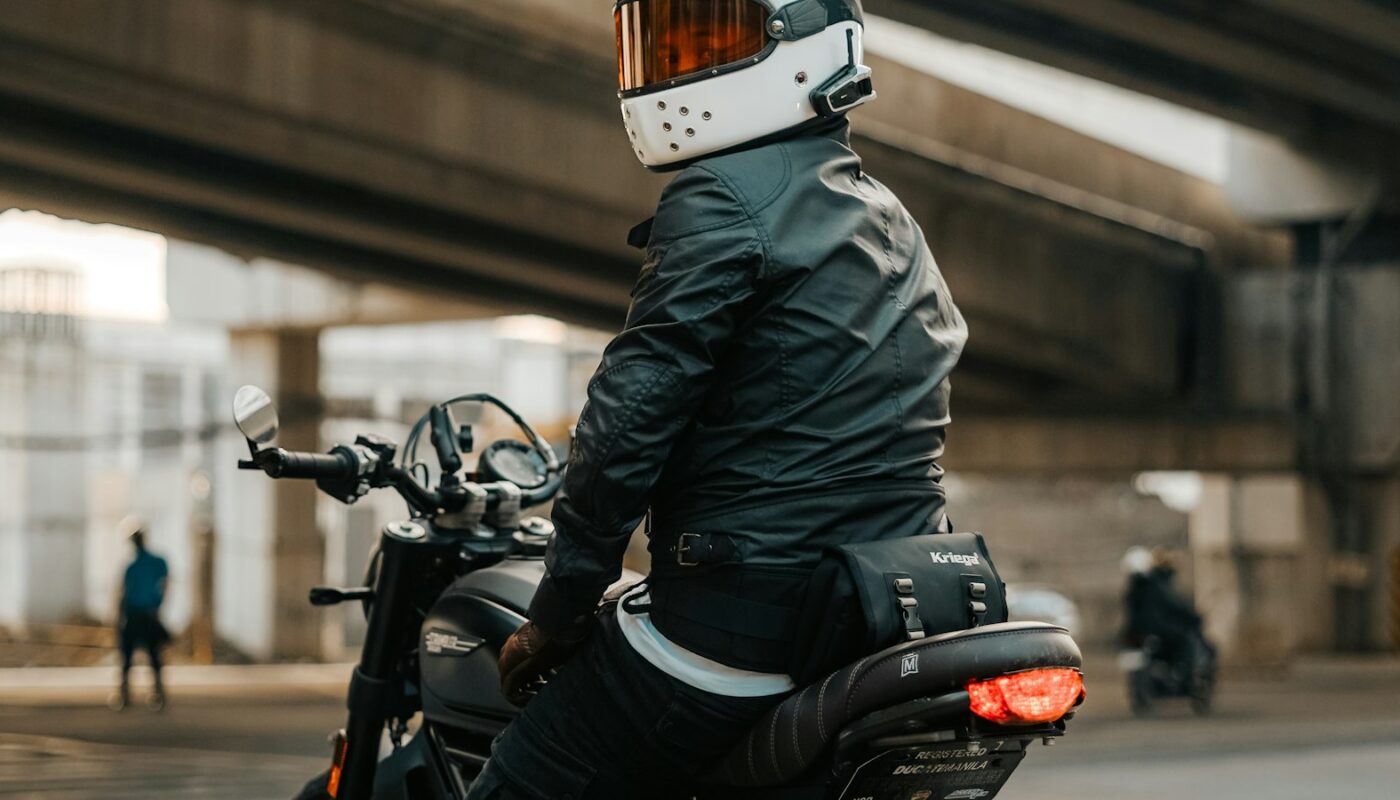
Almost every piece of motorcycle kit sold in Europe carries a certification mark, and almost nobody reads it. That is a shame, because unlike most things printed on a garment it is not a marketing claim — it is the summary of a laboratory test. And it states as precisely what the garment was not tested for as what it was. One class of jacket, sold on the same rail as the rest, offers no abrasion protection at all by design.
None of this is hidden. It is on the label, in three letters and a number, and it takes about a minute to read once you know what the parts mean.
Five letters, and they are not a simple ladder
Protective clothing for riders is certified to EN 17092, which sorts garments into five classes: AAA, AA, A, B and C. The first three do behave like a ladder. AAA and AA both require impact protectors at the elbow, shoulder, knee and hip. Class A sits below them, with hip protectors optional.
Then the pattern breaks, and this is the part worth knowing before you spend anything.
Class B is defined as giving abrasion protection equivalent to Class A, but without impact protectors included. Class C is its mirror image: it protects only the areas its impact protectors cover and, in the standard’s own words, does not offer minimum abrasion protection. Class C garments are intended to be worn with — and to supplement — a AAA, AA, A or B garment.
So a Class C item is an armour carrier. It does one job properly and the other not at all, and it was never designed to be the only thing between a rider and the road. Bought without reading the label, it looks like a jacket.
🏍️ Check the class on the jackets you are considering
The armour is certified separately from the garment
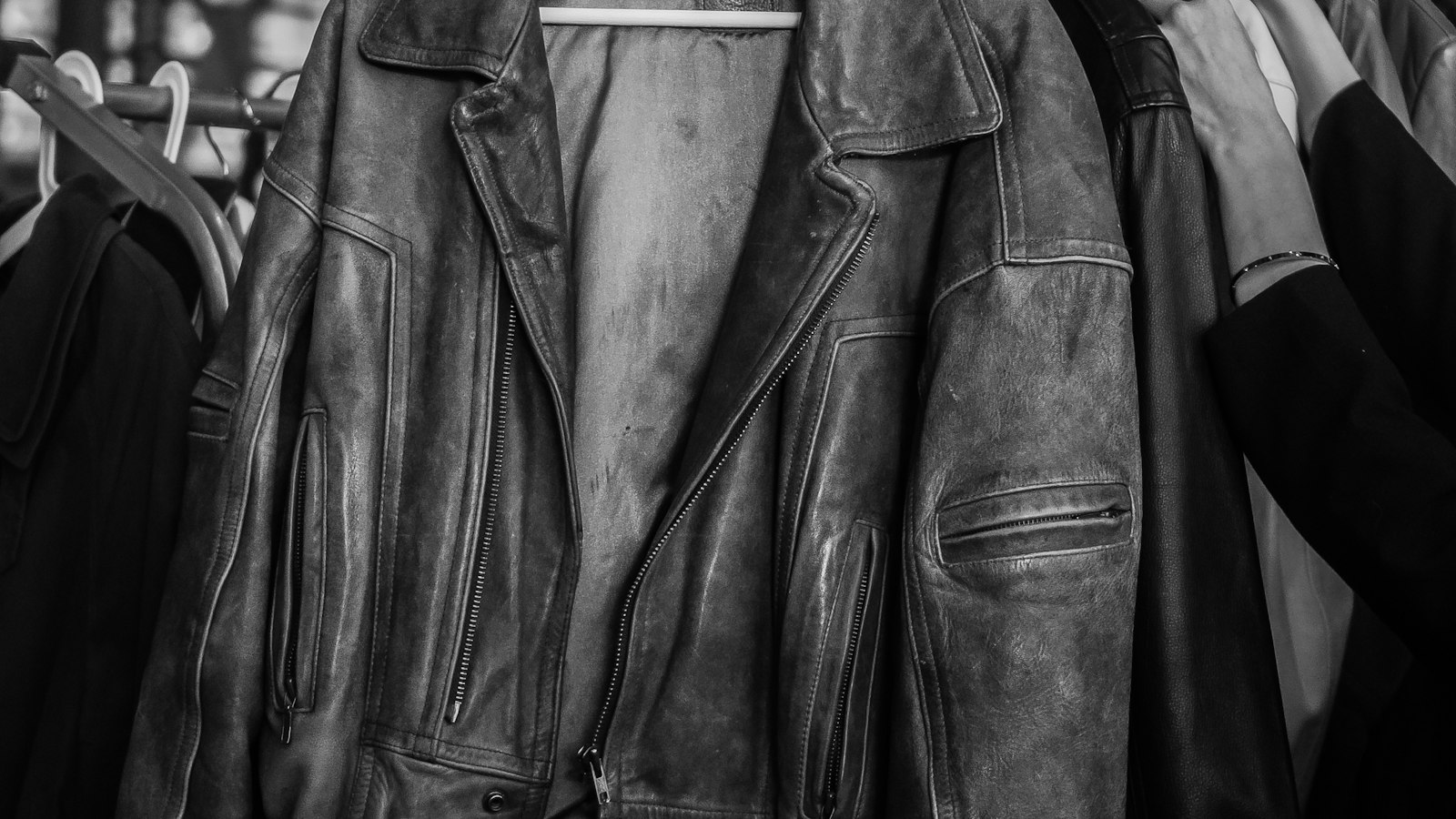
A second number does a different job. The garment class describes the shell; the armour inside it is tested under its own standard, and a jacket can be strong on one and thin on the other.
Limb protectors — shoulders, elbows, knees, hips — fall under EN 1621-1, which has a Level 1 and a Level 2. Both survive the same impact. The difference is how much force arrives underneath: Level 1 allows a mean transmitted force of roughly 35 kN, Level 2 roughly 20 kN. Back protectors are a separate standard, EN 1621-2, on a much tighter budget — about 18 kN for Level 1 and about 9 kN for Level 2.
Two things follow, and both cost money if you miss them.
First, a jacket described as having a back protector very often has a back protector pocket, filled with a piece of foam certified to nothing. The label will tell you. The product photograph will not, and neither will the phrase in the bullet list.
Second, Level 2 armour is generally thicker, stiffer and warmer than Level 1. The upgrade is a genuine comfort trade rather than a free win, which is exactly why it deserves a decision rather than a default. A rider who takes the jacket off in July is not being protected by it.
The helmet standard changed, and the old stock did not vanish
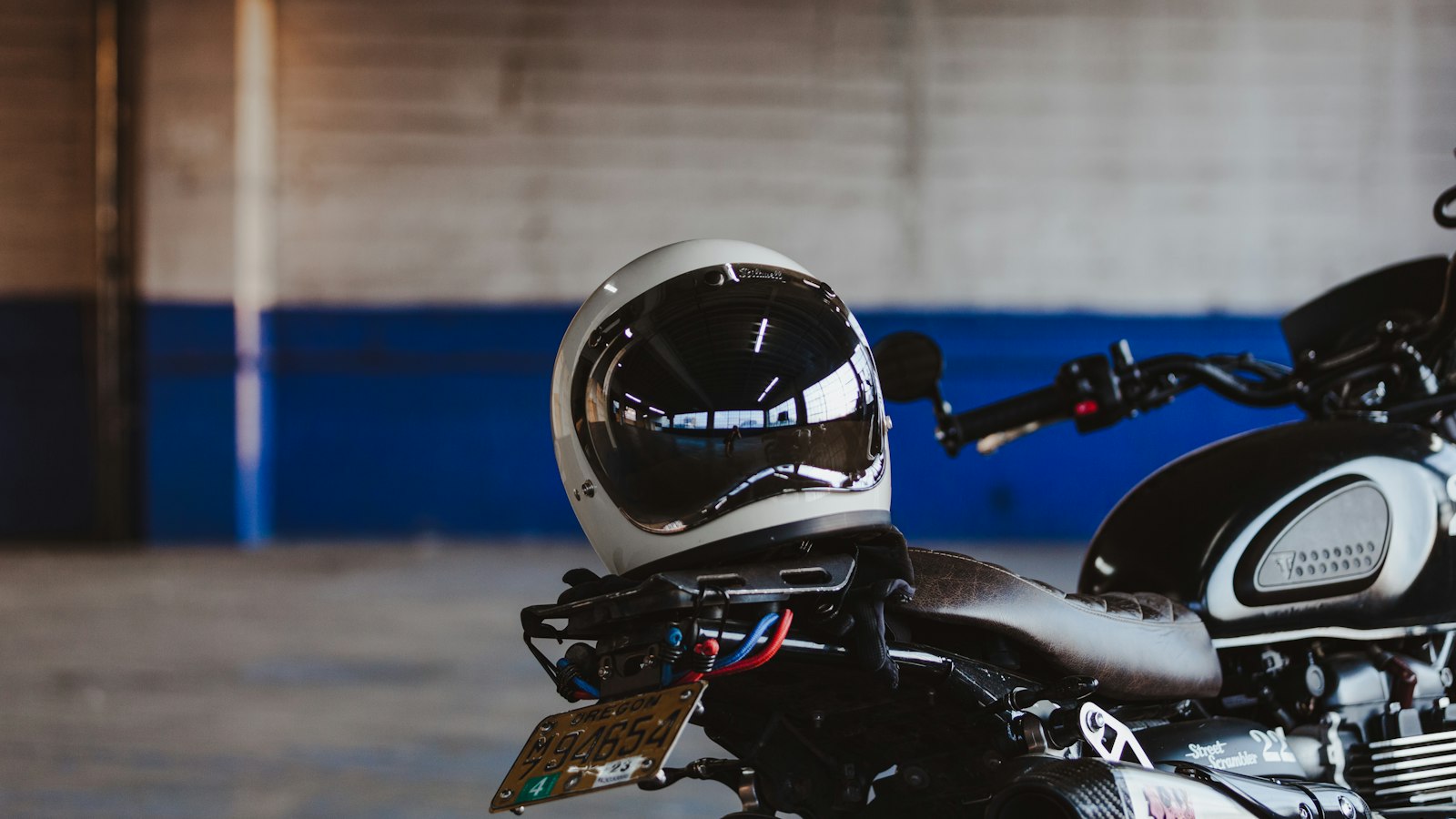
ECE 22.06 replaced the long-running 22.05, and the change was not cosmetic. It added an oblique impact test aimed at rotational acceleration rather than straight-line deceleration — the injury mechanism the older standard largely did not measure. It also tests helmets with the accessories made for them fitted, such as comms units and spoilers, rather than only in bare form, and it impact-tests visors.
From January 2024, only 22.06 helmets could be newly sold in ECE-regulated countries. That does not mean every 22.05 helmet disappeared. They remain legal to wear, and they circulate second-hand and as clearance stock. If you are buying used, or buying something unusually discounted, the label inside the strap is worth reading before the price is.
🪖 Compare helmets by their certification
What to check, in order
- Find the EN 17092 class on the garment label, not in the sales copy. If it is C, work out what you intend to wear it with.
- Check whether armour is included or sold separately, and at what level, zone by zone. Shoulders and elbows are often specified while the back is left empty.
- Look for EN 1621-2 on anything called a back protector. If the label does not name the standard, treat it as padding.
- On a helmet, read the strap label for 22.06, and be sceptical of a deep discount on one that predates it.
- Check where the armour sits when you are in a riding position, not standing in a shop. A protector that slides off the joint is protecting the jacket.
- Decide Level 1 against Level 2 honestly — how you actually ride, in what weather, for how long.
Where the real trade-offs are
The standards do not tell you which garment to buy. They tell you what you are giving up, which is more useful.
Leather at AAA tends to win on abrasion and lose on weight, heat and rain. Textile at AA is the usual all-round compromise and the reason most touring kit sits there. A Class B garment can make complete sense for a commuter who adds separate armour. A Class C item is genuinely useful as the layer it was designed to be — under a textile shell, or as a base with a jacket over it.
What the classes rule out is buying on appearance. Two jackets that photograph identically can sit three classes apart, and the one that looks more like protective clothing is not reliably the one that tested better. That is the whole argument for spending the minute on the label: it is the only part of the garment that has been to a laboratory.
The short version
Read three things, in this order: the class of the garment, the level of the armour inside it, and whether the back protector is a protector or a pocket. On a helmet, read the strap. Everything else on the page is copy; these are test results, and they are printed on the same tag as the price.