The Age on a Children’s Label Is a Height in Disguise
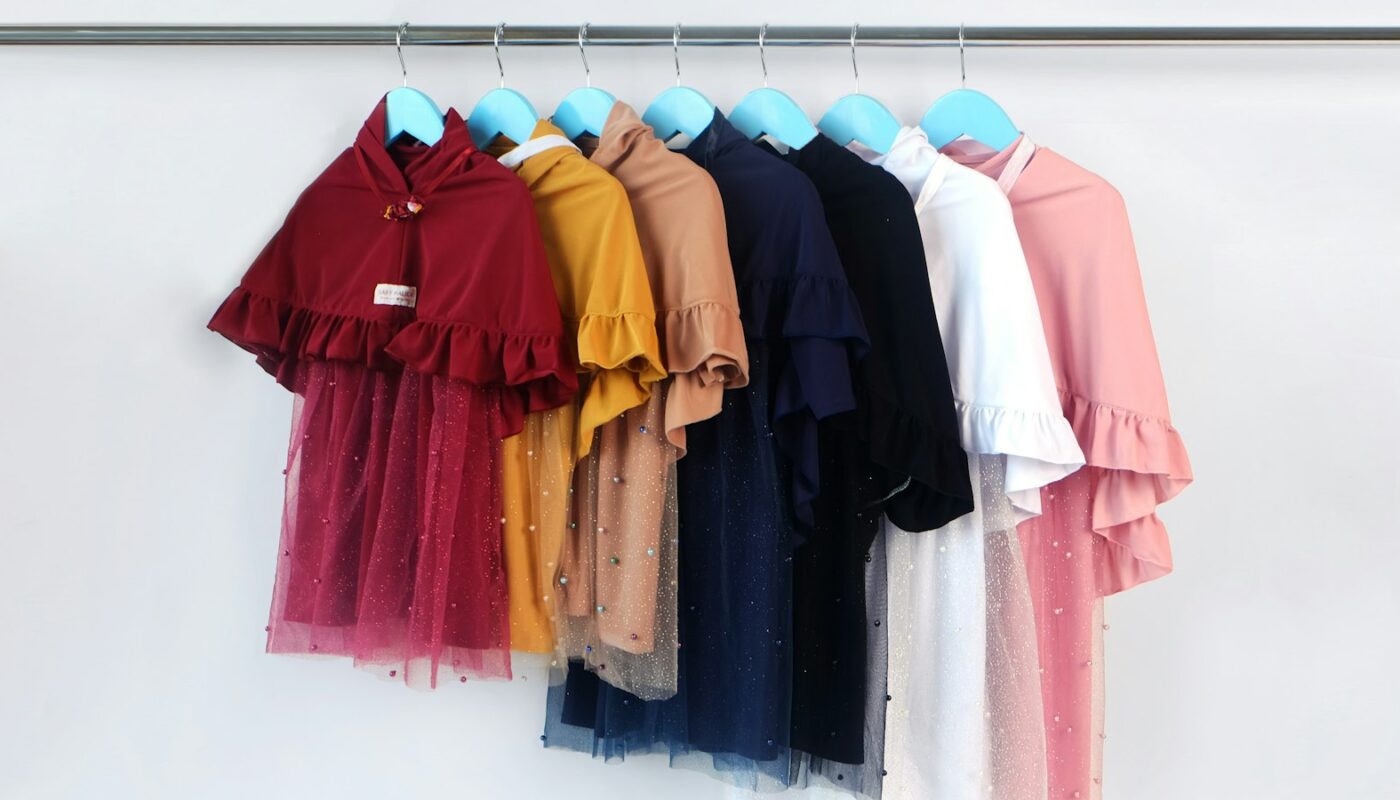
A label that says 3 ans looks like it is describing a child. It is not. In France and across most of Europe, children’s clothing is cut to a height, and the age printed on the tag is shorthand for a number of centimetres that a typical child of about that age happens to be. Two seven-year-olds can differ by fifteen centimetres. Only one of them is the seven-year-old the garment was drafted for.
Vertbaudet publishes the conversion openly, which makes it a good place to see how the system actually works. Its size chart has two columns, and the one that matters is on the left.
The label says years, the table says centimetres
The brand’s own guide maps an average height to the age size you should order:
- 86 cm → 2 ans
- 97 cm → 3 ans
- 104 cm → 4 ans
- 110 cm → 5 ans
- 116 cm → 6 ans
- 122 cm → 7 ans
- 128 cm → 8 ans
- 134 cm → 9 ans
- 140 cm → 10 ans
- 152 cm → 12 ans
- 158 cm → 14 ans
- 164 cm → 16 ans
Read it from the left and the age column stops being an instruction and becomes a lookup key. You measure the child, find the nearest height, and order whatever age sits beside it — which may not be the age on the birthday card, and there is nothing wrong when it isn’t.
📏 See the current size guide and range
The steps are not even, and that is where orders go wrong
Look at the gaps rather than the numbers. From 2 to 3 the table jumps 11 cm. From 3 to 4 it is 7 cm, and from then on it settles into steady 6 cm steps all the way to 140. Then it jumps again: 140 to 152 is 12 cm, and there is no “11 ans” size at all.
Those two wide gaps are where children spend the longest time stranded between sizes, and they are the likeliest source of a garment that arrives obviously wrong. A child at 145 cm is above the 10 ans line and well below the 12 ans one. Neither size is right; one is simply less wrong, and which one depends on the garment.
The even stretch in the middle is the opposite problem in disguise. Six centimetres is roughly a year of growth at that age, so a size bought slightly large really does buy you a season — but only in the middle of the table, not at the ends.
Three different measuring systems in one basket
The part that quietly ruins a single order is that clothing is not the only thing being sized, and the other categories do not use height at all.
- Clothes are sized by height, measured from the crown of the head to the sole of the foot, with hip circumference as a second input on the brand’s fit calculator.
- Shoes are sized by age, not by foot length: 2–3 ans maps to EU 23–26, 4–5 ans to 27–30, 6–7 ans to 31–34, 8–10 ans to 35–38, and 11–14 ans to 38–40.
- Hats and caps are sized by head circumference, measured round from the middle of the forehead: 48–50 cm for 2–3 ans, 51–52 cm for 4–6, 54 cm for 8–10, 55–56 cm for 12–14.
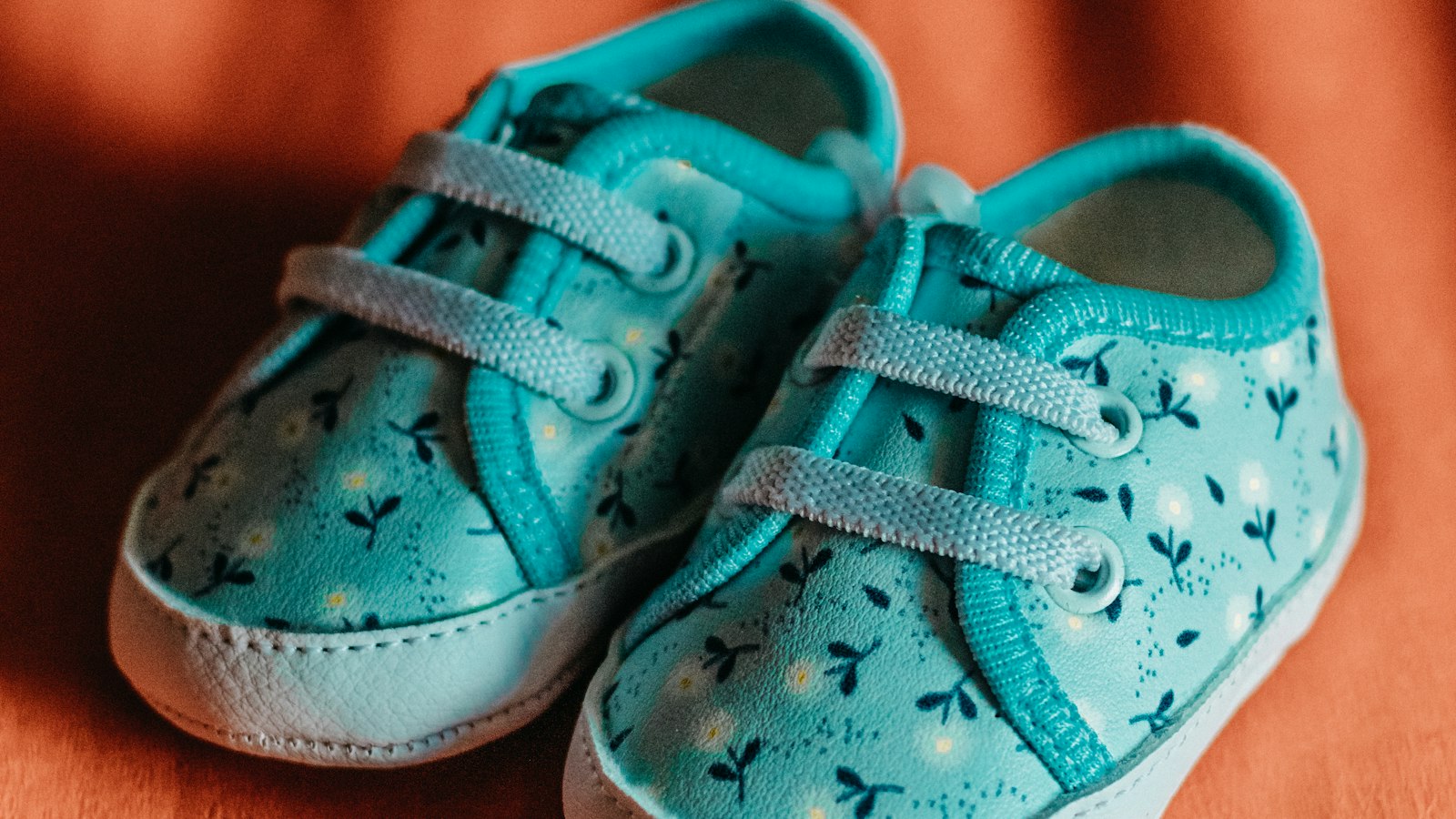
So a basket with a coat, a pair of boots and a winter hat is three separate sizing decisions using three different measurements. Ordering all three “in his size” is how a parcel comes back in pieces — and notice that the shoe range for a given age spans three or four EU sizes, which is far too wide to be a recommendation. It is a range of plausible answers, not an answer.
👟 Check shoes and hats against their own charts
Five minutes with a tape measure
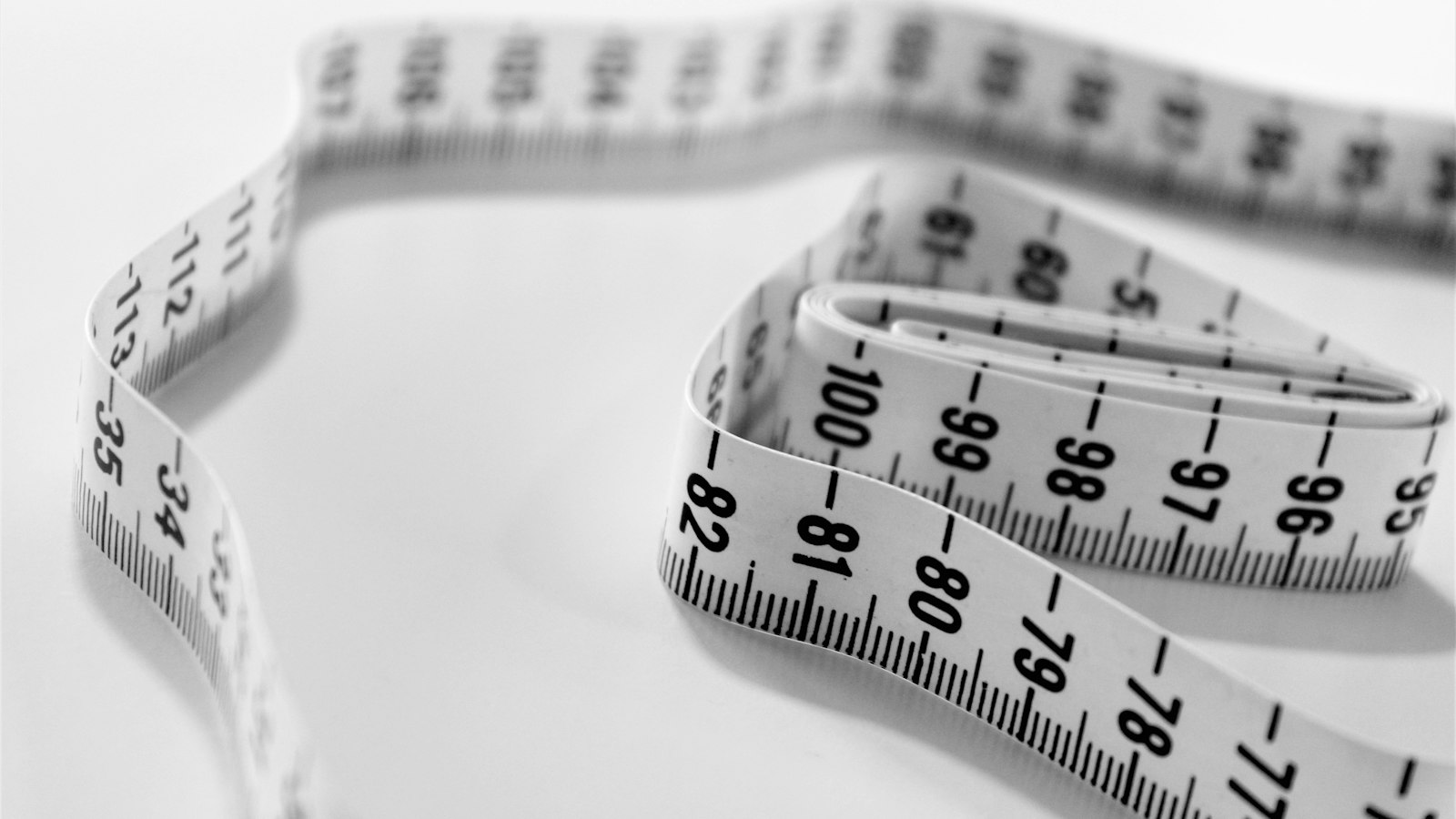
- Height, without shoes. Heels, bottom and shoulders against a wall, a book flat on the head, mark and measure to the floor. This is the number the whole clothing chart is built on.
- Hips, at the widest point, tape flat and not pulled tight. The fit calculator asks for this precisely because two children of the same height are not the same shape.
- Head, round from mid-forehead, for anything that goes on it.
- Feet, both of them, standing. They are rarely identical, and the bigger one is the one that has to fit.
- Write the four numbers down with the date. In three months they will all be wrong, and knowing how fast they changed is more useful than the numbers themselves.
Measure in the evening if you can. Children are marginally shorter at the end of the day, and shoes are more honest when feet are at their largest.
Buying ahead, and the point where it stops working
Sizing up is the standard parental economy, and the table tells you when it works. In the 6 cm stretch between roughly 4 and 10 years, one size up is about a year of wear, and a coat bought a size large is a coat that survives two winters.
It works badly at both ends. Below 3, the 11 cm jump means one size up can be enormous rather than roomy. Above 10, the missing 11 ans and the 12 cm gap mean sizing up is a leap rather than a step. And it works badly on anything fitted — trousers with a waistband, anything with a defined shoulder — where too big is not “roomy” but simply wrong.
Worth remembering that brands are not consistent with each other either, even inside the same country: one label’s cut can run noticeably longer in the arms and legs than a competitor’s, which is a recurring theme in children’s sleepwear. The height table tells you which size to start from. It does not promise the garment was drafted the way you expect.
Before you order
- Use the height, not the birthday, and check it against the brand’s own table rather than assuming a common standard.
- Size each category separately — clothes by height, shoes by foot, hats by head.
- Treat the shoe age ranges as a starting point, since a three-or-four-size span cannot be a recommendation.
- Check the delivery threshold before splitting an order: Vertbaudet lists free delivery in store and from €29 via Mondial Relay, so two small orders can cost more than one.
- Know the clock. In France a distance purchase carries a statutory 14-day right of withdrawal from the day after delivery, needing no explanation, and a separate two-year legal guarantee of conformity covers a garment that turns out to be faulty.
The short version
Children’s clothing sizes look like a statement about age and are really a statement about centimetres. The brands that publish the conversion are doing you a favour, because once you can read the table sideways the whole thing becomes arithmetic rather than guesswork — and the one number you actually need takes a wall, a book and thirty seconds to get.