Used Music Gear Has No Sticker Price. Here Is How to Tell a Fair One.
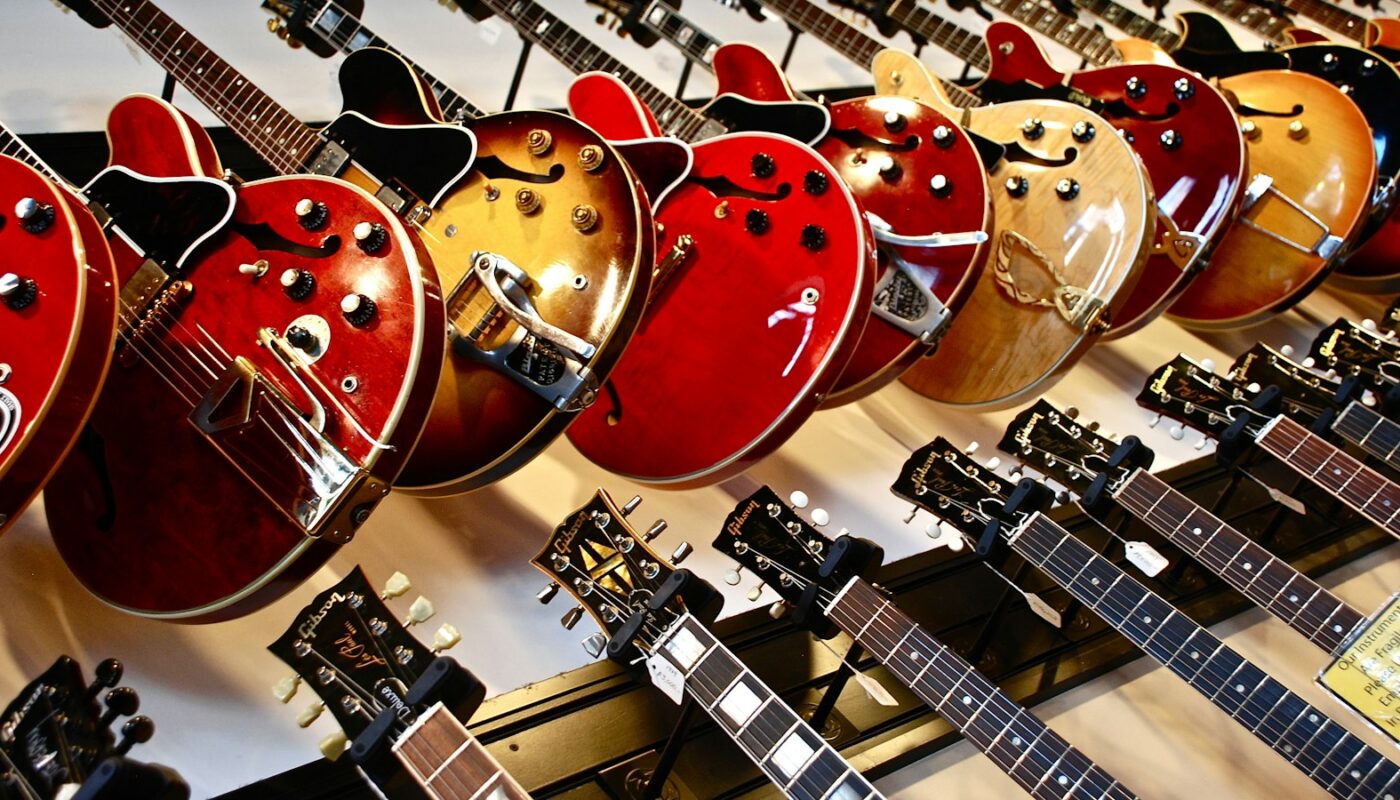
New musical instruments lose value the way new cars do: the moment they leave the shop. A guitar, amp or pedal that has already had one owner has usually taken most of that hit, which is why so many musicians buy used and why the used market has become the normal way to get into better gear for less.
The catch is that used gear has no sticker price. A pedal might be listed at three very different prices on the same afternoon, and a first-time buyer has no way of knowing which one is fair. That is the problem Reverb was built around, and it is worth understanding how to use it properly before you buy.
What Reverb is
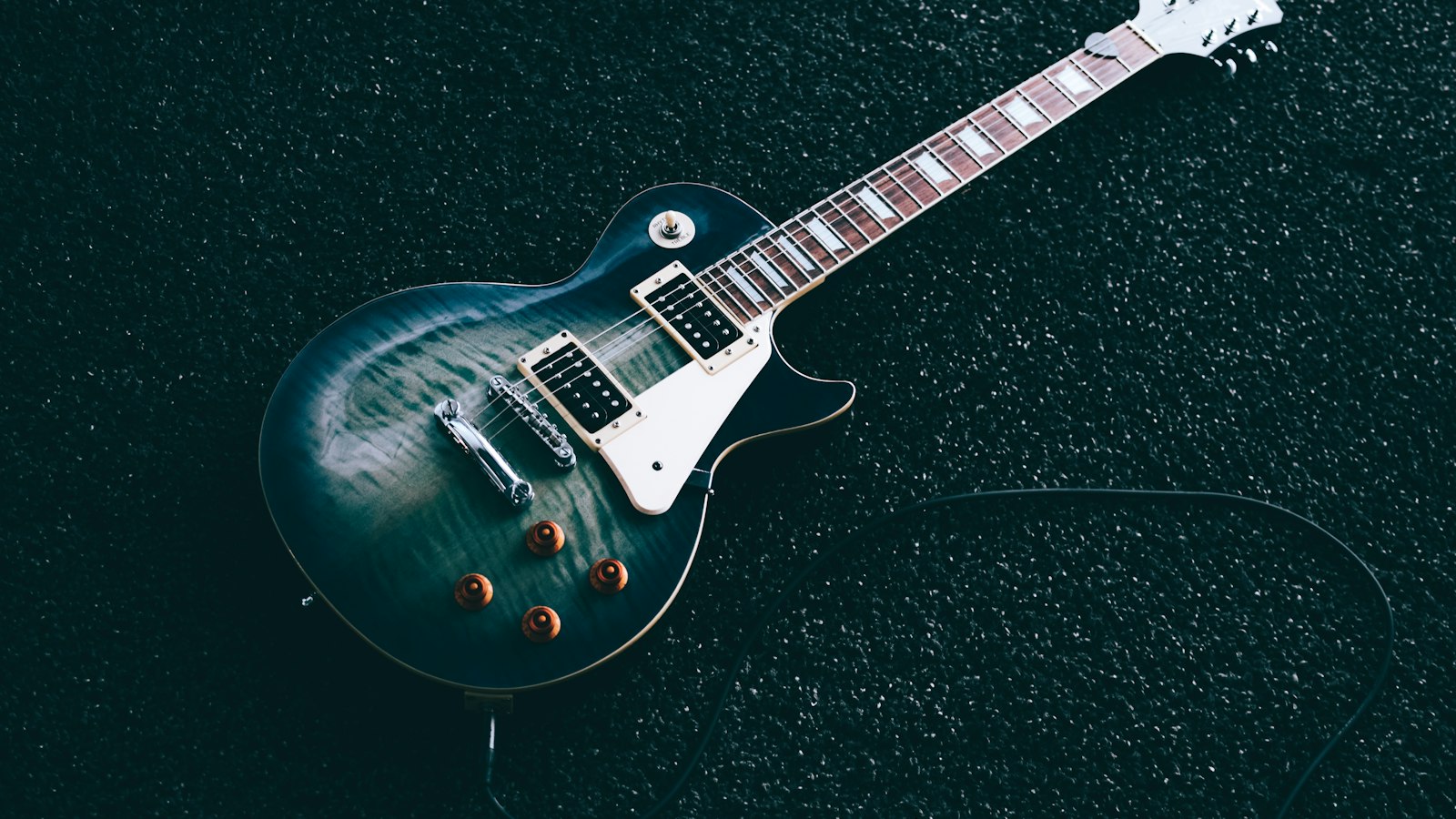
Reverb is an online marketplace for new, used and vintage music gear: guitars, amps, effects pedals, drums, keyboards, synths and studio equipment. It was founded in Chicago in 2013 by David Kalt, bought by Etsy in 2019, and returned to independent ownership in 2025 when Etsy sold it to a group of investors. Sellers range from individual players clearing out a spare room to established music shops listing their used stock.
Unlike a general auction site, everything on it is music gear, and the people selling and browsing tend to know what they are looking at. That makes the listings more detailed and the questions in the messages more useful than on a general marketplace.
Check the price guide before you check the listing
Reverb publishes a Price Guide built from what items have actually sold for on the site, not what sellers are asking. Before you fall for a listing, look up the model in the guide and see the recent sale range. It turns a vague feeling that a price “seems fine” into a comparison with real transactions.
Two habits make the guide more useful:
- Match the exact model and year. Reissues, signature versions and different decades of the same guitar can sell for very different amounts.
- Match the condition. A “mint” example and a “good” one are different products. Compare like with like.
Read a used listing like a technician
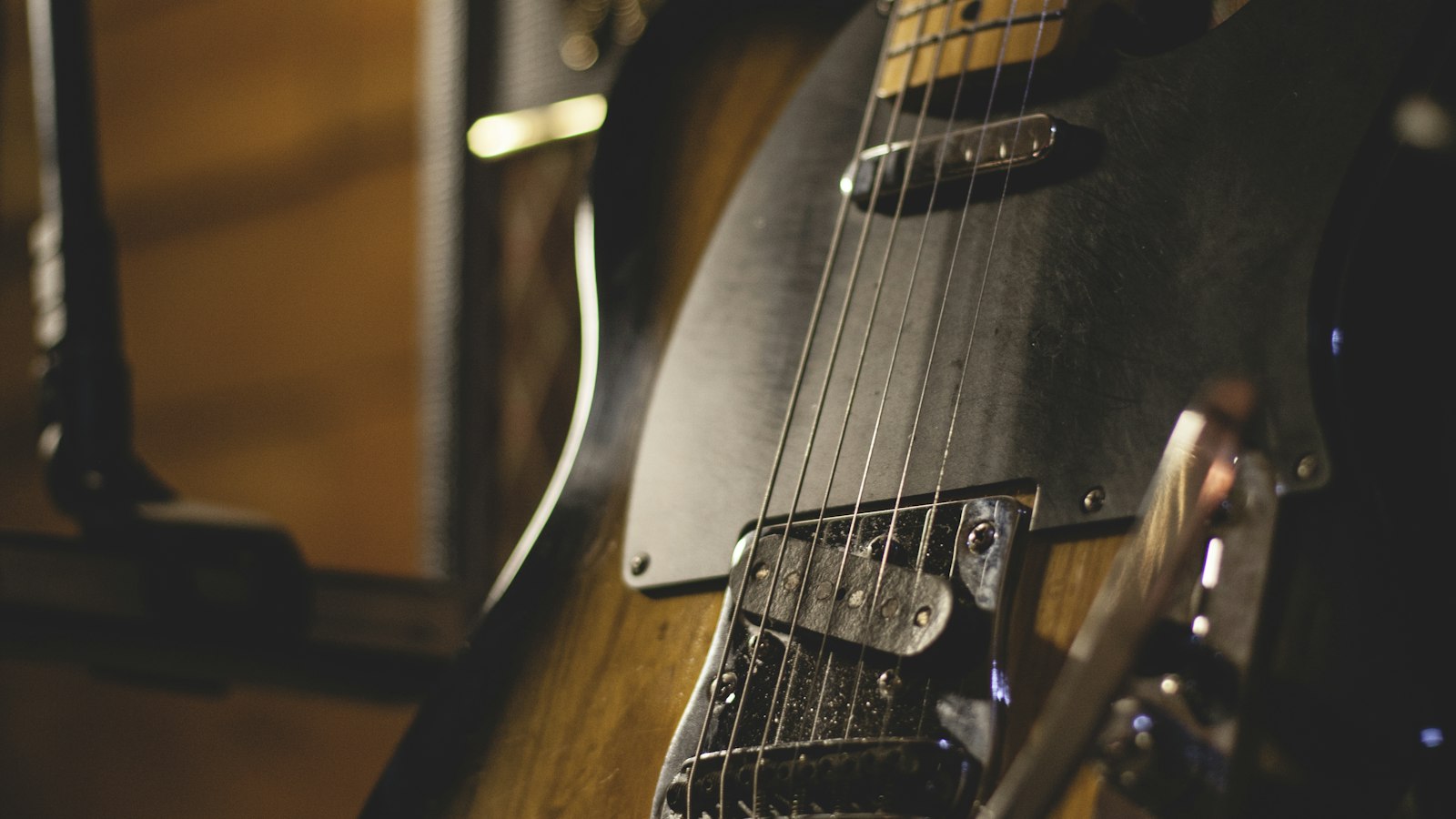
Photos and condition labels only tell part of the story. Before you buy, ask the seller through Reverb’s messages about the things that cost money to fix:
- Guitars: fret wear, neck straightness, any repairs or refinishing, and whether all the electronics work without crackle.
- Amps: when it was last serviced, whether it has been recapped or had valves changed, and any hum or noise.
- Pedals and electronics: whether it works on the power supply you will use, and whether switches and knobs are original.
- Everything: how it will be packed. Poor packing causes more shipping damage than couriers do.
A good seller answers quickly and specifically. A vague reply to a direct question is useful information too.
🎛️ Look up gear and prices on Reverb
Stay on the platform, and know the protection window
Reverb’s buyer protection covers purchases made through its website or app, but only if the payment and the conversation stay on Reverb. A seller who suggests paying by some other route to “save fees” is also asking you to give up your protection. Say no.
If something arrives damaged or not as described, Reverb says issues need to be reported within 7 days of delivery, with photos or video, and raised with the seller through Reverb first. So unpack and test the gear as soon as it arrives, not the following weekend. Return policies are set by each seller, so read the one on the listing before you pay.
When to buy somewhere else
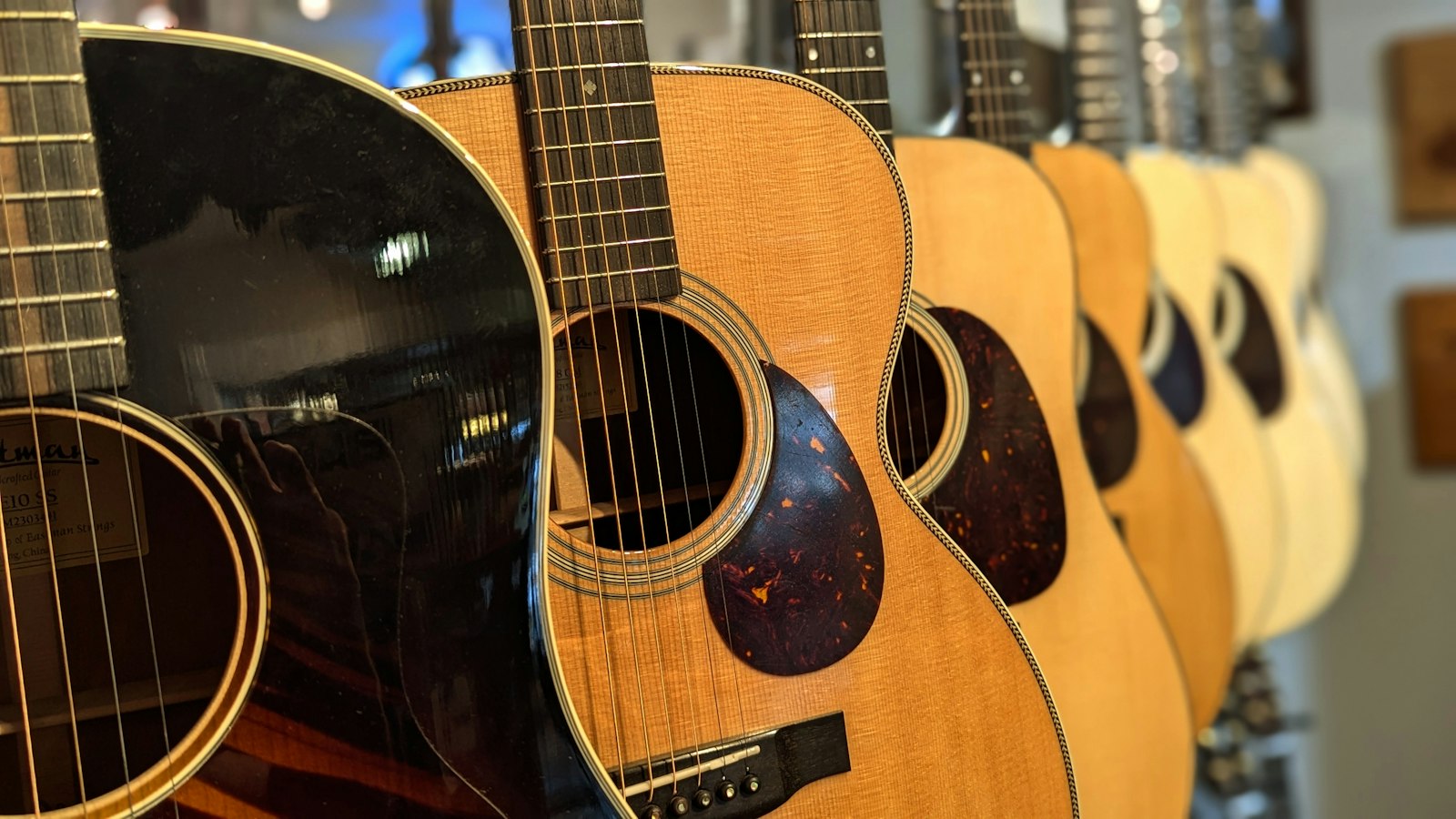
- You need to feel it first. For a first serious guitar, how the neck feels in your hand matters more than the spec sheet. Trying a few in a local shop, even if you later buy online, avoids an expensive mismatch.
- You want a long warranty. New gear from an authorized dealer usually comes with the manufacturer’s warranty. Used gear generally does not.
- It is big, heavy and cheap. Shipping a large amp or a drum kit can cost a meaningful share of its value. A local classified listing you can collect may work out cheaper.
- You are a complete beginner on a small budget. A simple new starter bundle from a music shop may be easier than judging used condition before you know what to look for.
For everyone else, used gear bought carefully is one of the best-value purchases in music. Check the sold prices, ask the awkward questions, keep everything on the platform, and test it the day it arrives.