You Booked a Reservation, Not a Parking Space
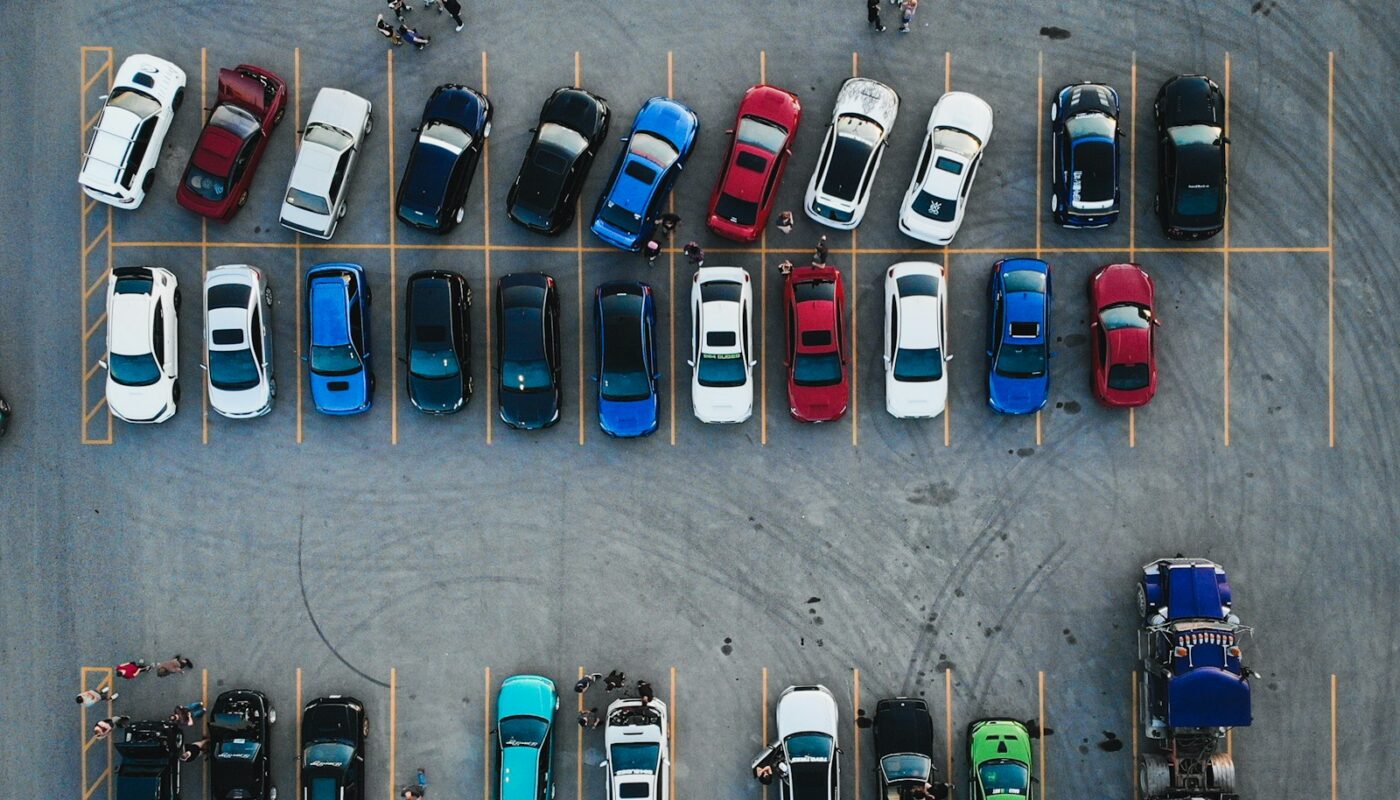
You book a garage space, pay in advance, drive there, and the attendant tells you the lot is full.
You have a confirmation on your phone. He has a barrier he controls. Guess which one wins.
This is the single most reported problem with parking reservation apps, and understanding why it happens tells you how to use them without getting caught.
What you actually bought
The app is a marketplace. It sells you a reservation; the garage is an independent business that owns the space and operates the barrier.
Those are two different transactions held together by an agreement the driver never sees. When the garage honours it, everything works beautifully. When the garage oversells — because a walk-up customer paid cash, or because their own system does not reflect the booking — you are holding a receipt from a company that is not on site.
One reviewer described arriving at a small garage to find seven other drivers who had booked the same spaces through the same app, all boxed in at the top of the ramp trying to reverse out.
So the reservation is a strong claim, not a guarantee of physical space. That distinction is the whole thing.
🚗 Compare Parking Prices Before You Drive
The refund is not the problem people think it is
If the garage turns you away, you will generally get your money back. Reviewers report refunds taking around ten to fifteen business days, sometimes with several support emails.
But the refund was never the real cost. You are standing outside a full garage twenty minutes before a concert, and getting your money back in a fortnight does not solve that. One driver ended up paying $100 at a further-away lot after being turned away from a $50 reservation.
Plan for the failure mode rather than the money.
Where it genuinely works well
It would be unfair to present this as a broken product. Regular users in dense cities report real savings — one describes routinely finding 60% or more off walk-up rates in central Chicago — and the certainty of knowing the price before setting off has obvious value.
For predictable weekday parking in a business district, the model works well. The failures concentrate around events, where every lot is at capacity and overselling has the biggest consequences.
Two details that catch people out
Height restrictions. One driver relied on an advertised six-foot clearance and damaged the roof of their car. Listings are supplied by garages, and a stated clearance is not a measurement you took yourself. If your vehicle is tall, this matters more than the price.
Cancellation windows. Event parking often requires cancelling a day or two ahead. Plans change, and the money is gone.
Who should not bother
If you park somewhere with reliable street parking, you are adding a booking step to a problem you do not have.
If you need on-street meter payments, this is the wrong type of app entirely — that is a different category of product.
If arriving on time is critical and there is no alternative lot nearby, the small chance of being turned away carries a large cost.
If you drive a tall vehicle and cannot verify the clearance independently.
How to use it without getting caught
Screenshot the confirmation including the reservation number. Phone signal in a concrete garage is not a given.
Arrive early for events. Overselling hurts the last arrivals, not the first.
Identify a backup lot before you leave, not while blocking a ramp.
Check the height restriction yourself if your car is tall.
Note the cancellation deadline when you book.
Do not count on after-hours support. Several reviewers describe reaching voicemail at the moment they needed help.
The short version
For everyday city parking this saves real money and removes the circling. For events it usually works and occasionally fails at the worst possible moment.
Book it, screenshot it, arrive early, and know where else you could park. Then it is a good tool rather than a gamble.