A Medium Isn’t a Measurement
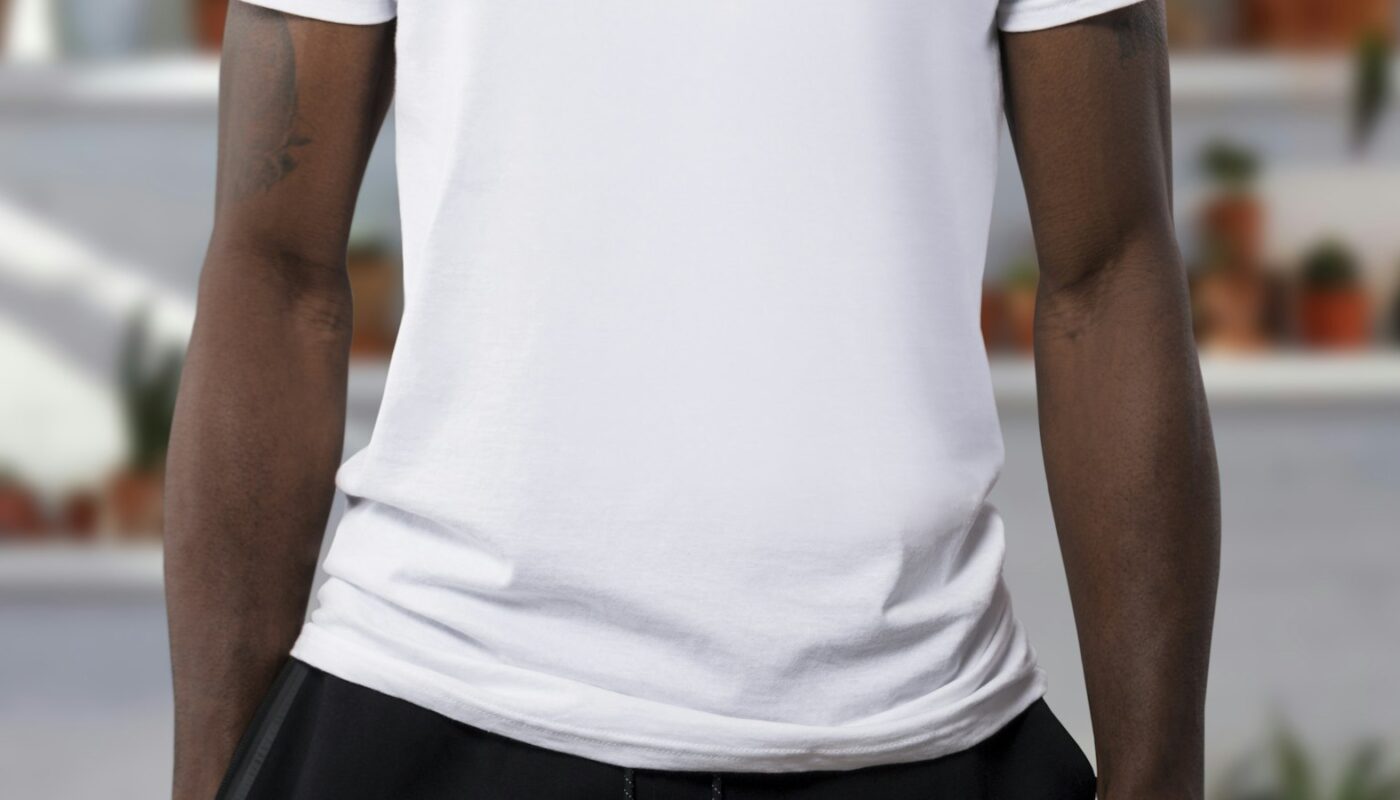
Three plain white t-shirts, all labelled medium, all bought in the same month. One sits close through the chest and stops at the hip. One billows at the waist like it was cut for someone else entirely. The third is fine across the body but the sleeves end somewhere near the elbow.
Nothing went wrong. A medium is not a measurement. It is a label, and every brand decides privately what it means.
Why the same word stopped meaning the same thing
There is no enforced standard for clothing sizes. There are voluntary reference tables, and almost nobody follows them exactly, because each brand draws its own base pattern — the block — around an imagined customer. Change who you picture wearing the shirt and every number moves.
Two brands can both be honest and still be inches apart on a garment carrying the same letter. And because that letter is the only thing on the front of the label, it takes the blame for a decision made much earlier, in the pattern.
The three numbers that actually tell you something
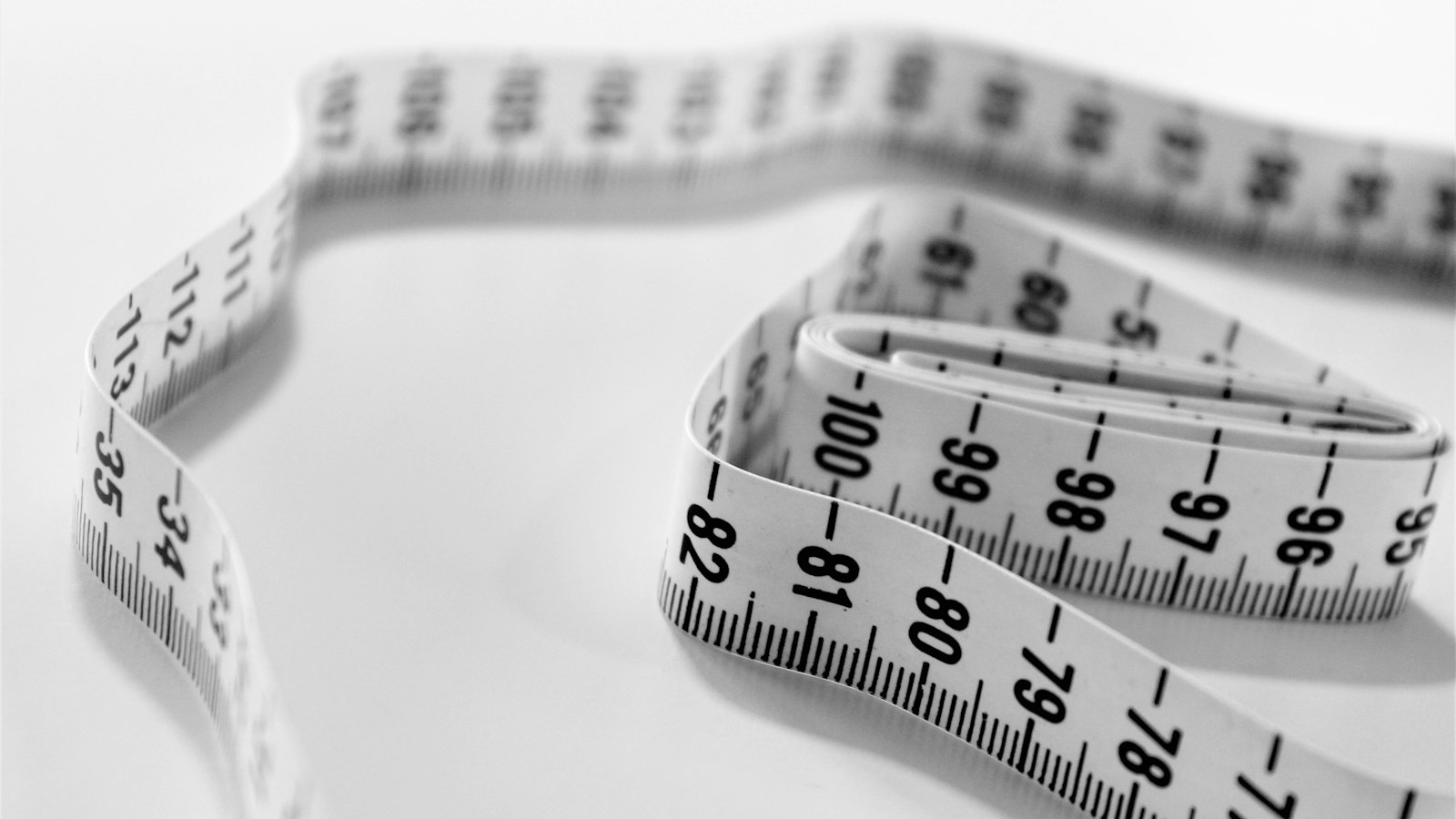
Ignore the letter. Take a shirt you already own and like, lay it flat, and measure three things. These are the numbers brands publish in their size charts, and they are comparable across brands in a way that S, M and L are not.
Chest width. Armpit seam to armpit seam, flat, not stretched. Double it for the circumference. This is the single number that decides whether a shirt reads as fitted or loose on you, and a difference of one inch is visible in a mirror.
Shoulder seam to shoulder seam. Across the back, from where one sleeve is attached to where the other is. Get this wrong and nothing else rescues it — a seam sitting down your upper arm makes you look smaller than you are, and a seam perched inside your shoulder line pulls every time you move.
Body length. From the highest point of the shoulder straight down to the hem. This is the one people forget, and it is why a shirt that fits everywhere else still rides up or hangs like a nightshirt. Taller builds run into this constantly.
Write those three numbers down once. From then on you are not guessing at letters, you are comparing a size chart against a shirt you already know works.
What “fitted” actually means
Fitted is not a smaller size. It is a different shape: less fabric through the waist relative to the chest, a shoulder seam placed to sit on the bone, a hem that stops at the hip rather than below it. A brand that builds a fitted block is making a deliberate choice about proportion, and that choice suits some bodies and fights others.
This is the ground True Classic stands on. Its whole pitch is cut rather than novelty — the marketing language is about fits that sharpen a look, positioned explicitly against baggy and unflattering. Whether that flatters you depends entirely on whether you want the silhouette they have chosen.
The range runs wider than the tees it is known for: crew necks, v-necks, henleys and polos in short and long sleeve, plus denim, chinos, joggers and shorts, hoodies, jackets, blazers and puffer vests, activewear and dress shirts. There is a women’s line of scoop necks, u-necks, tanks and matching sets, a kids’ range, and accessories down to socks, hats and slides. Fabrics named on the site include Pima cotton, fleece and waffle weave.
Two details matter more than the catalogue. There is tall-specific sizing, which addresses the body-length problem above rather than pretending it away. And there is a Fit Guarantee — worth reading as an admission as much as a reassurance. A brand selling on fit, online, knows fit is the thing most likely to go wrong.
📏 Compare your three numbers against the size chart
The costs that are easy to miss
The shipping threshold. Free standard shipping starts at orders over $124. A single tee to try the fit does not reach that, so the first small order carries a delivery cost that changes the maths on a cheap shirt.
The membership. There is a paid Insiders Club at $12 a year that brings free shipping, a welcome discount and store credit back on purchases. Worth it if you buy repeatedly, pointless if you are buying once to see whether the cut suits you. Do the arithmetic on your actual habit rather than the promise.
The return trip. Buying fit remotely means at least some chance of sending something back. Check the current returns terms before ordering rather than after, and treat a first order as a fit test rather than a wardrobe refresh.
Who should look elsewhere
Anyone who wants a relaxed or boxy cut. This is the clearest one. A brand built against baggy is not the place to buy loose. You will be fighting the pattern.
People who need to try before buying. If a shirt has to be on your body before you will commit, a direct-to-consumer brand is the wrong shape of purchase regardless of how good the guarantee is.
Anyone buying a single shirt. Between the shipping threshold and the chance of an exchange, the economics only start working across a few items.
Bodies the block was not drawn for. No brand fits everyone, and a fitted block is by definition narrower in who it flatters. If your measurements sit well outside the chart, believe the chart.
👕 Check the tall sizing if length is your usual problem
One rule that saves most of the trouble
Buy one, not five. Order a single shirt in the size the chart says — not the size the label on your current favourite says — wear it, and only then decide whether to buy the stack. The letter on the label told you nothing. The three numbers told you everything, and one shirt confirms them for real.
It is a slower way to shop and it is the only one that reliably ends with clothes you actually wear.