The Hardest Gear to Buy Is for a Hobby You Haven’t Committed To

The boots cost a hundred and eighty dollars. They were worn twice, and they have been in the bottom of a wardrobe ever since, because the hiking thing did not take. Everyone has a version of this. A tennis racket. A road bike. A tent bought for a festival that rained.
Buying equipment for something you have not committed to yet is a genuinely awkward problem, and the usual advice — buy once, buy well — is written for people who already know they will keep going.
The two ways people waste money starting something new
Overbuying is the obvious one. You read a forum, absorb the opinions of people six years deep into the hobby, and buy for the person you might become rather than the one turning up on Saturday. The gear is not wrong. It is simply answering a question you have not asked yet.
Underbuying is the expensive one, and it gets discussed less. Equipment cheap enough to be genuinely bad does not save you money, because it ends the hobby. A pack that bruises your shoulders, a bike that will not stay in gear, boots that soak through in the first hour — these do not teach you that hiking is not for you. They teach you that a bad afternoon is not for you, which is a different lesson you then act on permanently.
The useful target sits between the two, and it is genuinely hard to hit, because most of the market is organised around brand tiers rather than commitment tiers.
What changes when the shop also makes the gear
Decathlon is worth understanding structurally rather than as a shop. It runs what it calls a vertical model: research and development, production and supply chain in-house, with more than 1,700 stores worldwide. Products are designed and tested at its own mountain and cycling design centres in Europe, working with professional athletes.
The plain-language version: most retailers buy finished goods from brands and resell them, and everyone in that chain takes a margin. When the retailer is also the designer and manufacturer, several of those margins collapse into one. The company frames this as high-performing products without the premium price, and whatever you make of the phrasing, the structure behind it is real and it is why the entry-level end of the range is unusually complete rather than an afterthought.
That is the specific thing that matters for the problem at the top of this article. Most brands treat the beginner tier as a loss leader on the way to the good stuff. A vertically integrated retailer has no reason to.
The house brand names are a map, not marketing
This confuses newcomers more than anything else on the site, and it is actually the most useful navigational tool once it clicks. The names are not sub-brands competing with each other. Each one marks a discipline and, roughly, a level of seriousness.
On foot: Quechua covers hiking and camping. Forclaz is backpacking, so longer and lighter. Simond is mountaineering and technical trekking. That is a straight line from a Sunday walk to something with ropes.
On two wheels: Van Rysel is road cycling, Rockrider is mountain biking, Riverside is gravel, and Btwin covers kids. Four names, four genuinely different bikes, not four price points of the same one.
Elsewhere: Kiprun for running, Wedze for snow and ski.
Once you know which name matches what you are actually doing, the catalogue stops being a wall and becomes a shortlist. Buying a Simond product for a day hike is overbuying, with a label attached telling you so.
🥾 Work out which house brand matches what you actually do

The American caveat worth knowing before you order
This one comes from the company itself, which is what makes it credible. Decathlon describes its US operation as being in the beginning stages of its journey, selling online and through retail partners rather than through an extensive network of its own stores.
Practically, that means most American buyers will not be trying anything on first. Which changes how you should sequence a first order:
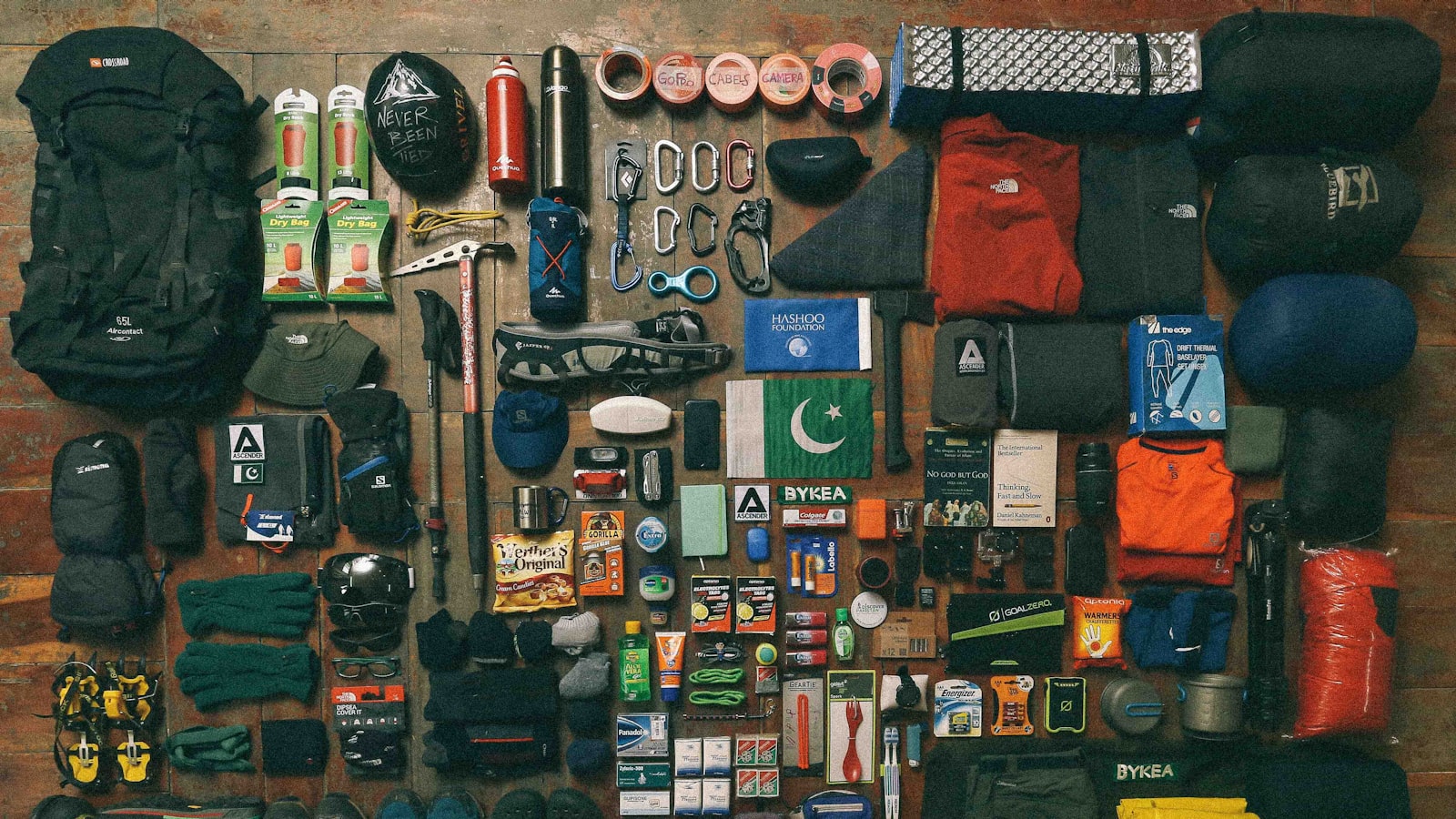
Buy the things that do not depend on fit first. A dry bag, a stove, a head torch, base layers. Low risk, and they tell you whether the quality suits you.
Leave footwear until last, and use the size guides. They publish them for exactly this reason. Boots and running shoes are where remote buying goes wrong, and they are also the single item where a bad choice ends the hobby fastest.
Mind the shipping threshold. Free shipping starts at orders of 49 dollars, so a single small item can carry a delivery cost that quietly ruins the value calculation. Consolidating a first order usually beats three separate ones.
Check the current return terms and the guarantee on the specific product before ordering rather than relying on anything you read in an article, including this one. Those terms change and they vary by category.
📦 Check the size guides before committing to footwear
Who should look elsewhere
Anyone who needs a specific outside brand. The catalogue is built around the house labels. If a physiotherapist told you to buy one particular shoe, buy that shoe somewhere that sells it.
People who will not send things back. Remote buying only works if returning is a thing you will actually do. If a slightly wrong boot will live in your wardrobe rather than go back in the box, the nascent US retail footprint is a real problem for you specifically.
Specialists at the sharp end of a discipline. The range is broad and strongest from entry to upper-mid. If you are chasing a marginal gain on equipment you already understand deeply, you are not the buyer this is built for.
People for whom the object is the point. Some of the pleasure of a hobby is owning something lovely. That is a completely legitimate reason to buy, and it is not what a value-engineered vertical supply chain optimises for.
One rule for a first purchase
Buy the inexpensive version of everything except the things that touch your body under load. Packs, boots, saddles. Those three decide whether the activity feels good or feels like an ordeal, and an ordeal is what makes people quit.
Everything else — the bottle, the mat, the torch, the layers — can be the basic version for the first season, and you replace only the pieces that annoy you. That is a far better way to learn what you actually care about than reading a forum written by people who already know.